グランドルーム/ハウス(2025)
Building of the Year 2026 nomination

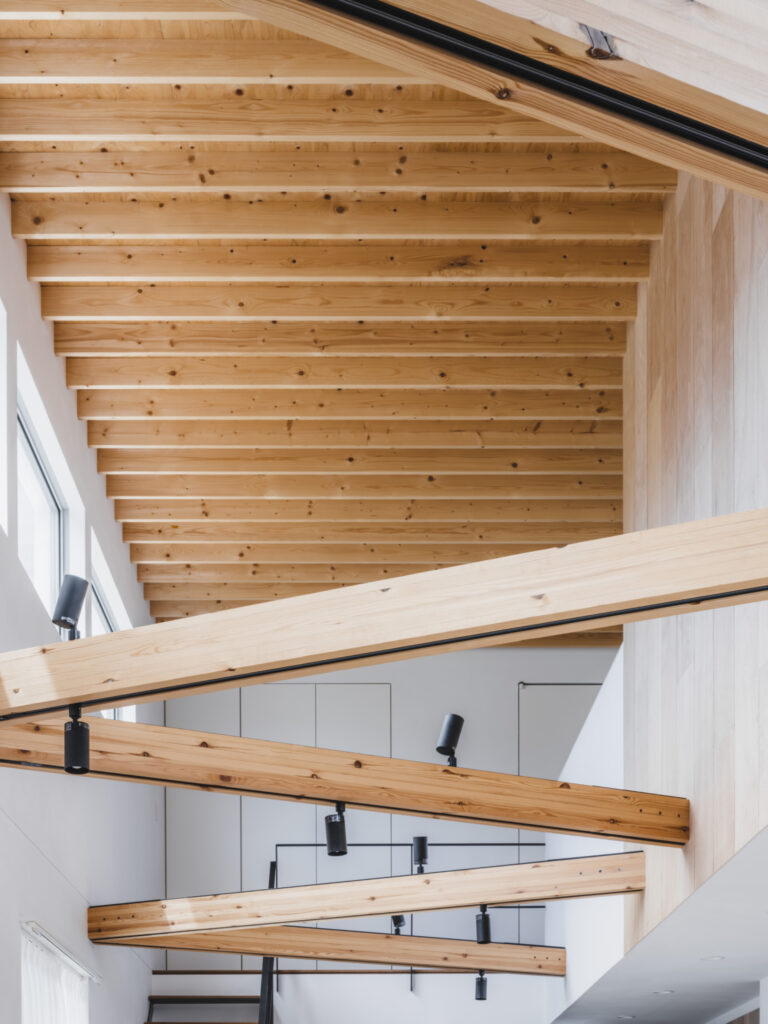
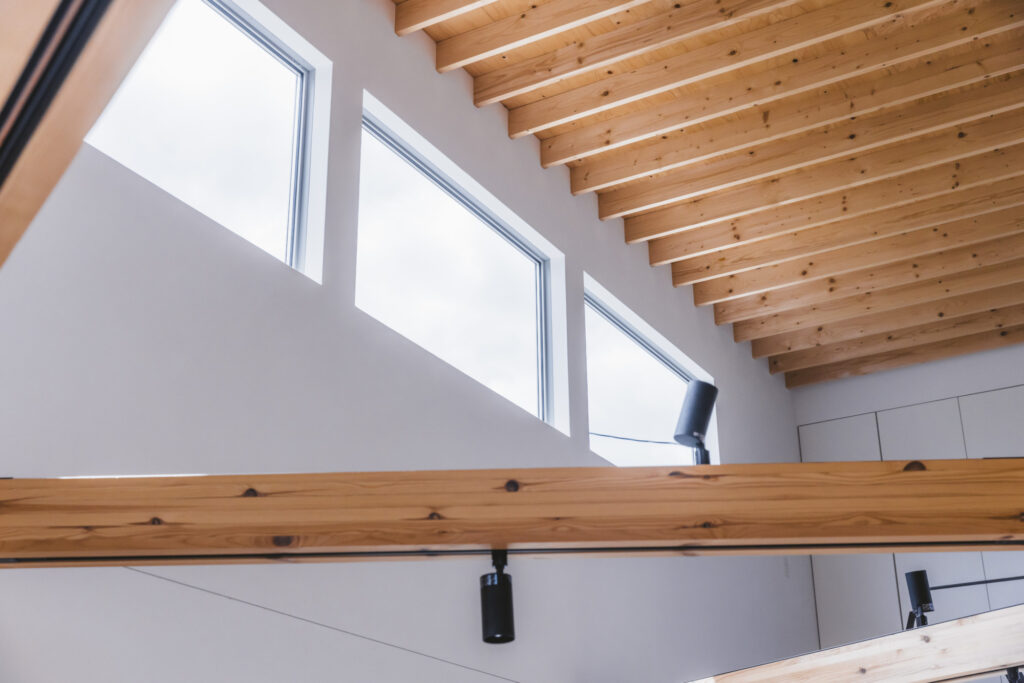
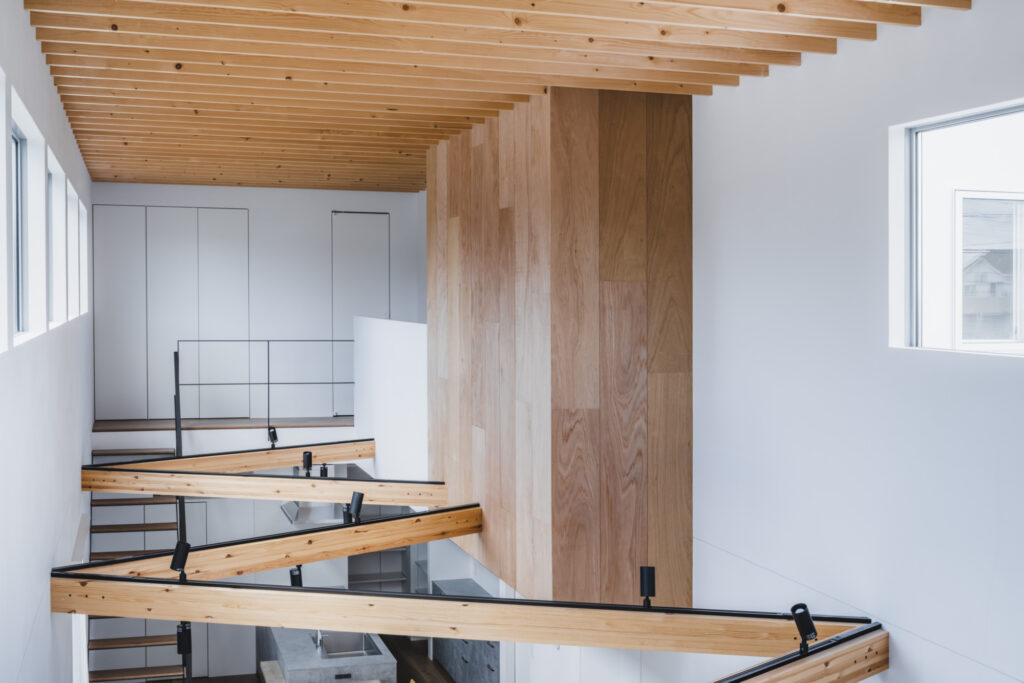
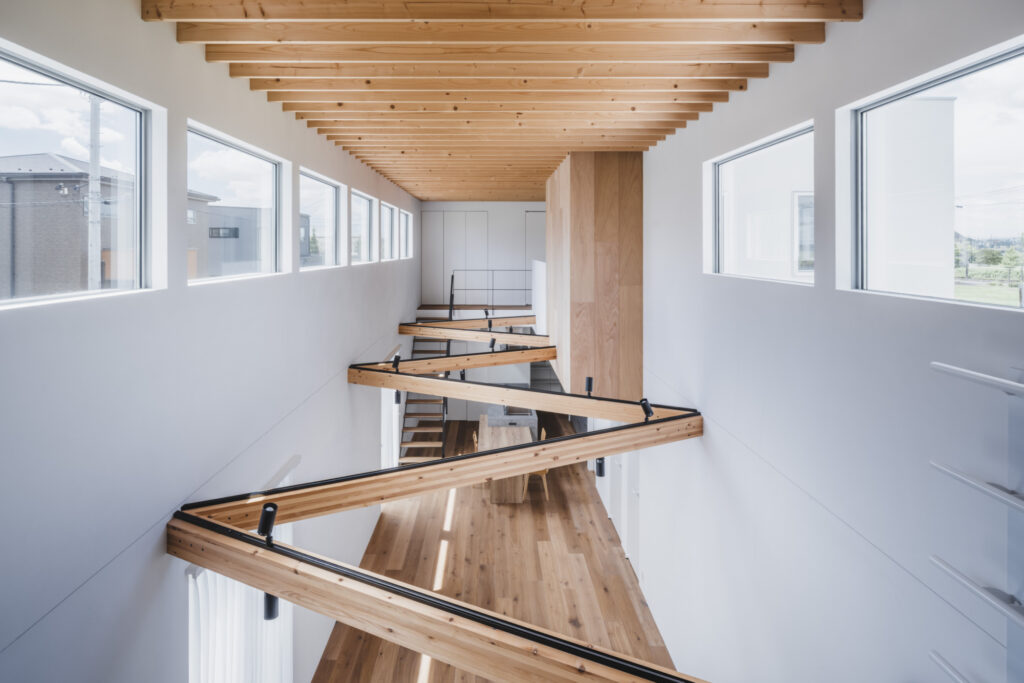
撮影 ©神宮巨樹
architecturephoto 2025.September
グランドルーム/ハウス
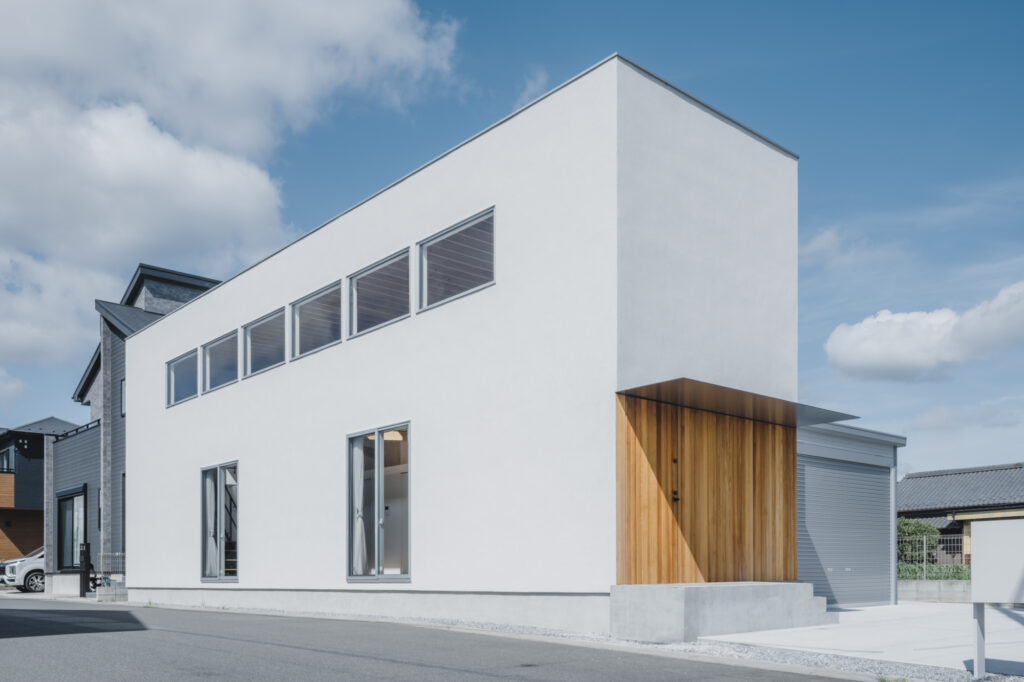
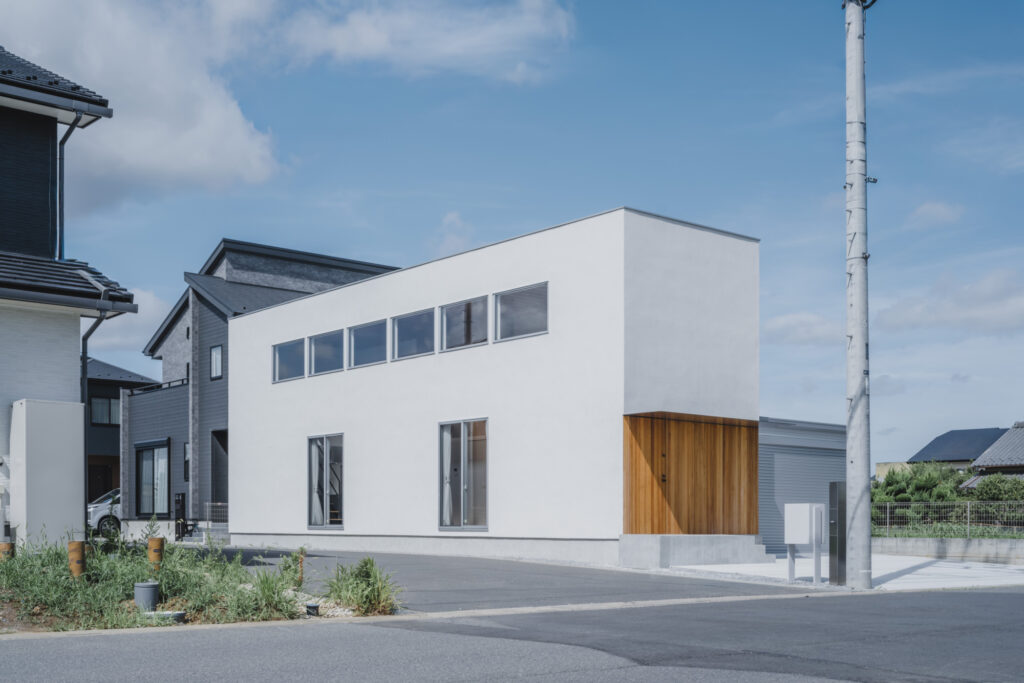
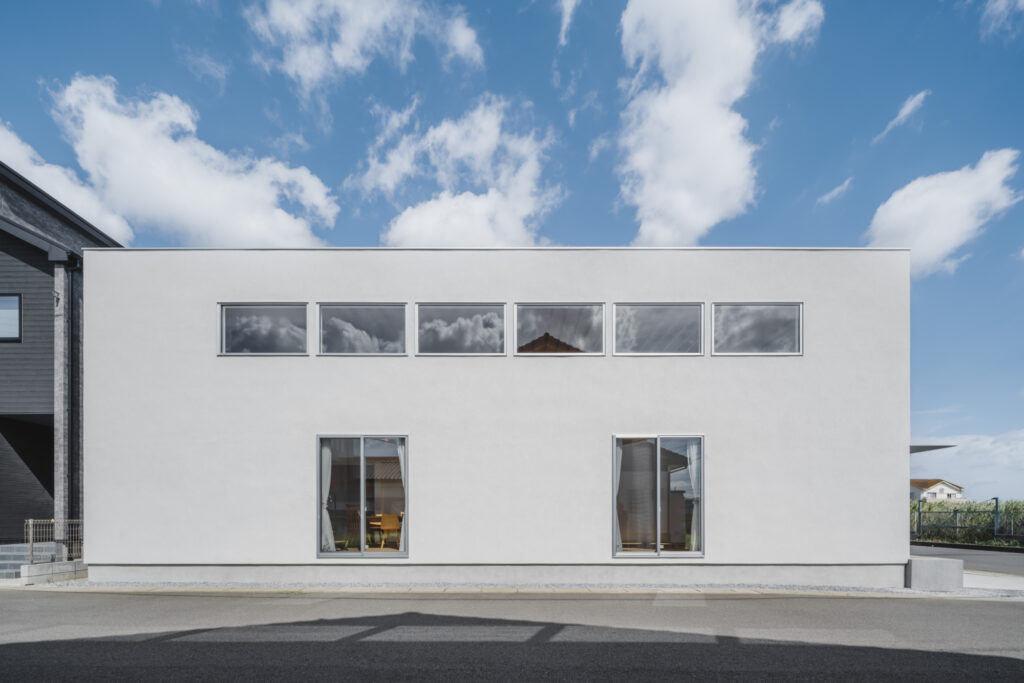
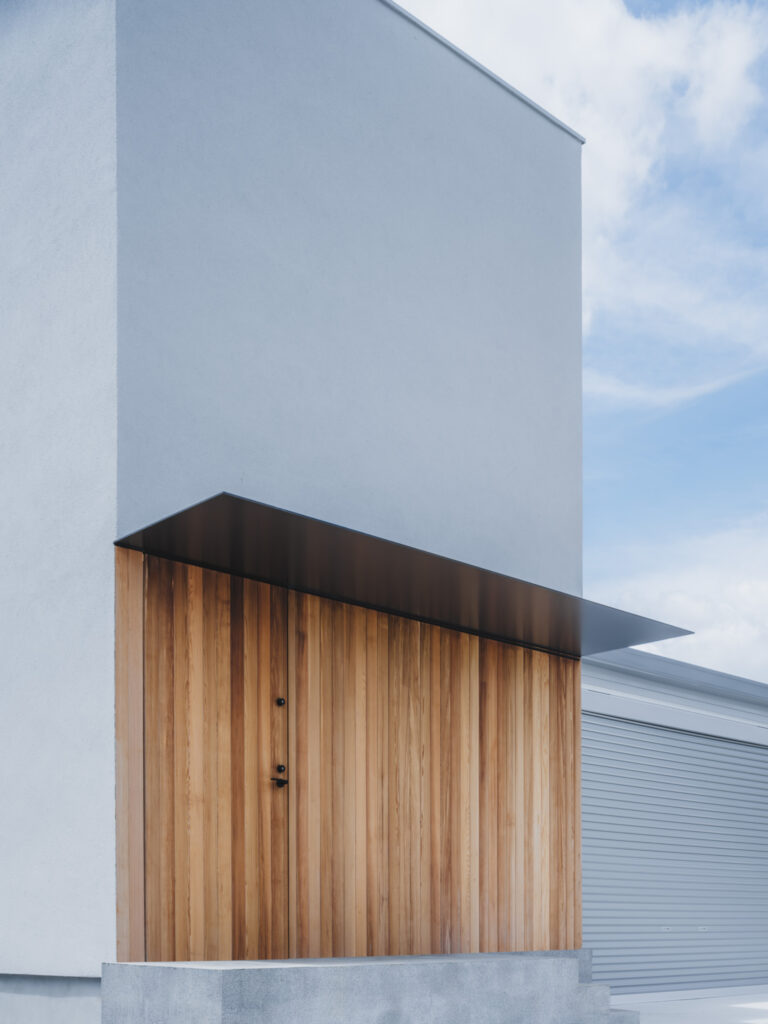
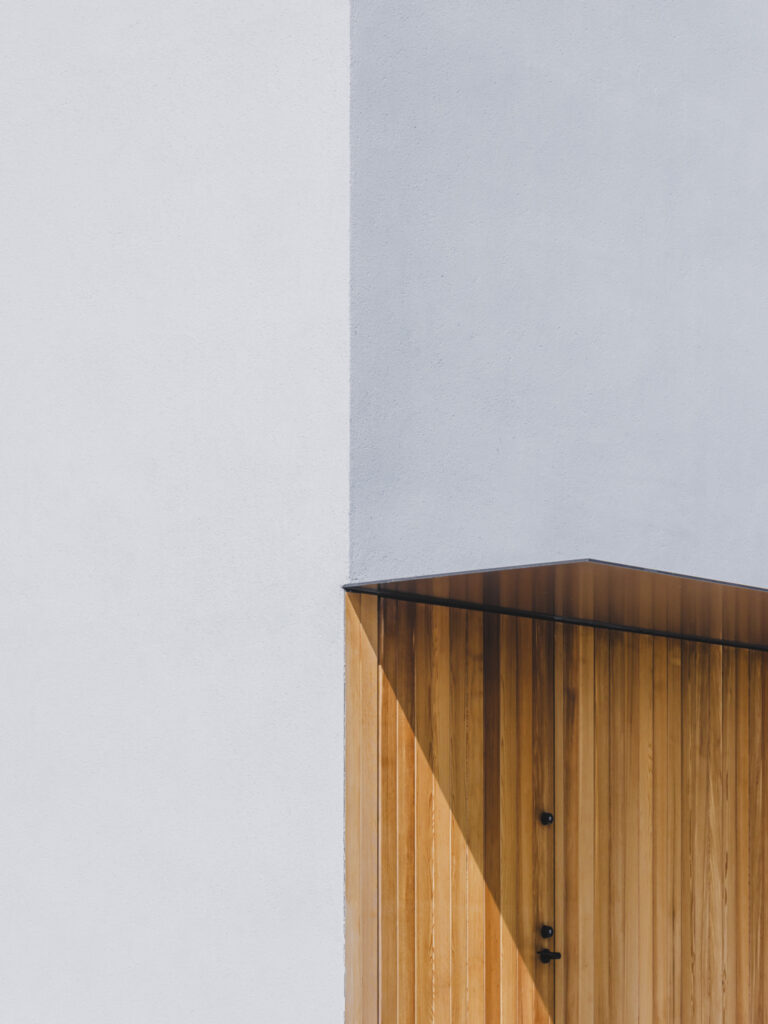
敷地は田園風景が広がる環境に囲まれた開発地の一角で、交通量の多い道路と私道に面した場所にある。クライアントは夫婦+子二人の4人家族で、まだ小さい子供たちと、将来の暮らしの変化を柔軟に受け止められる大らかな住宅を望まれていた。
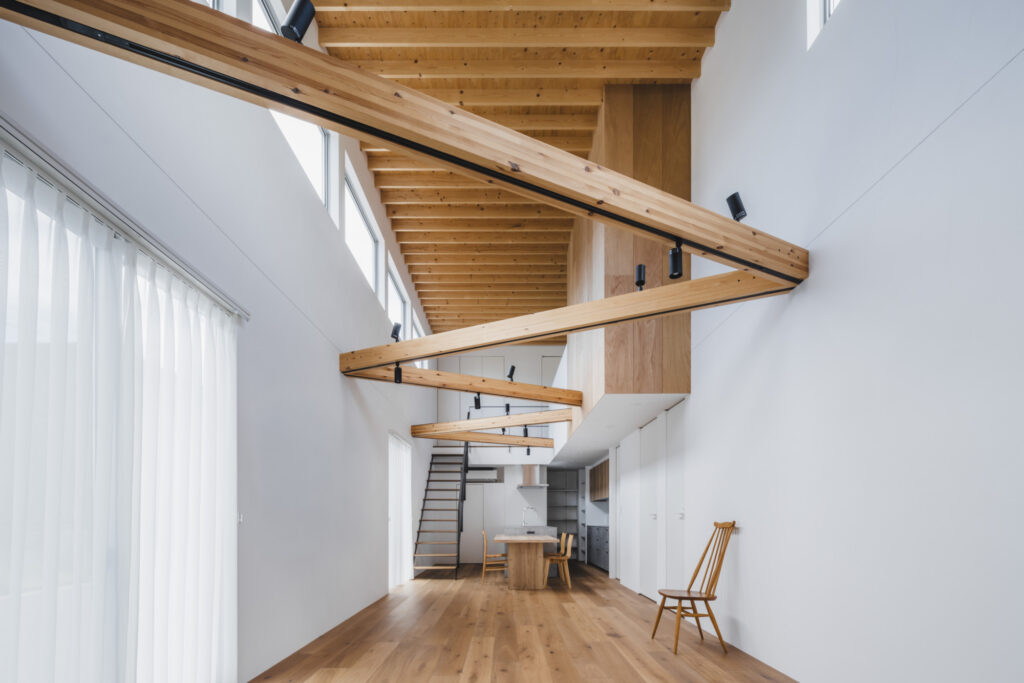
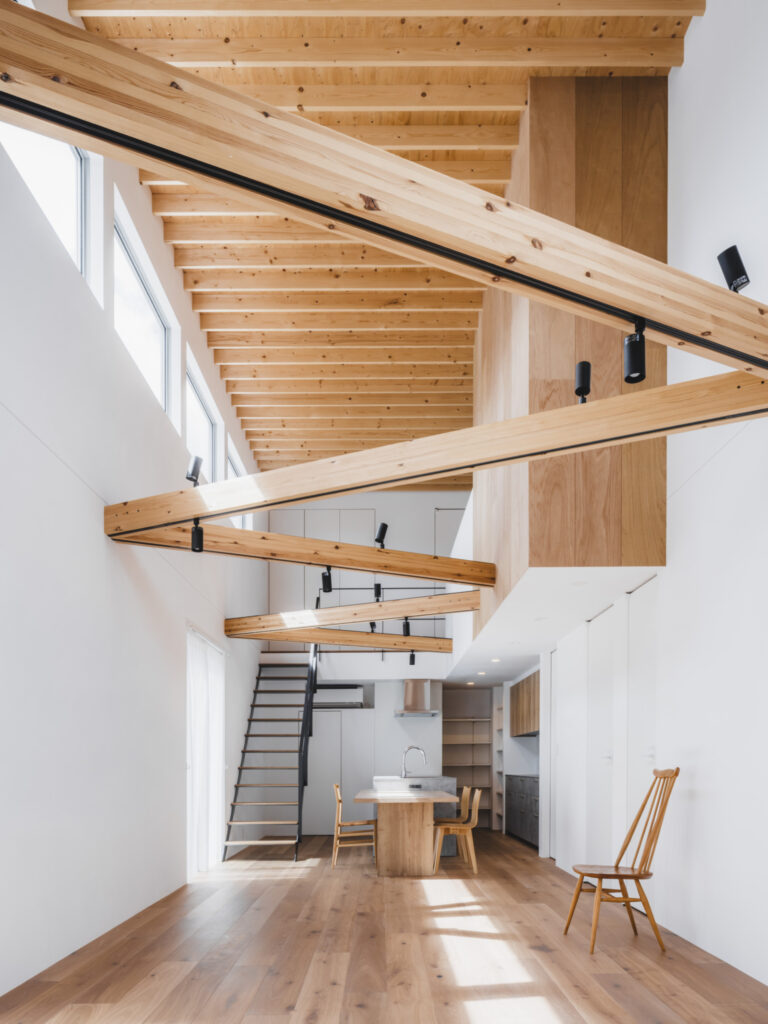
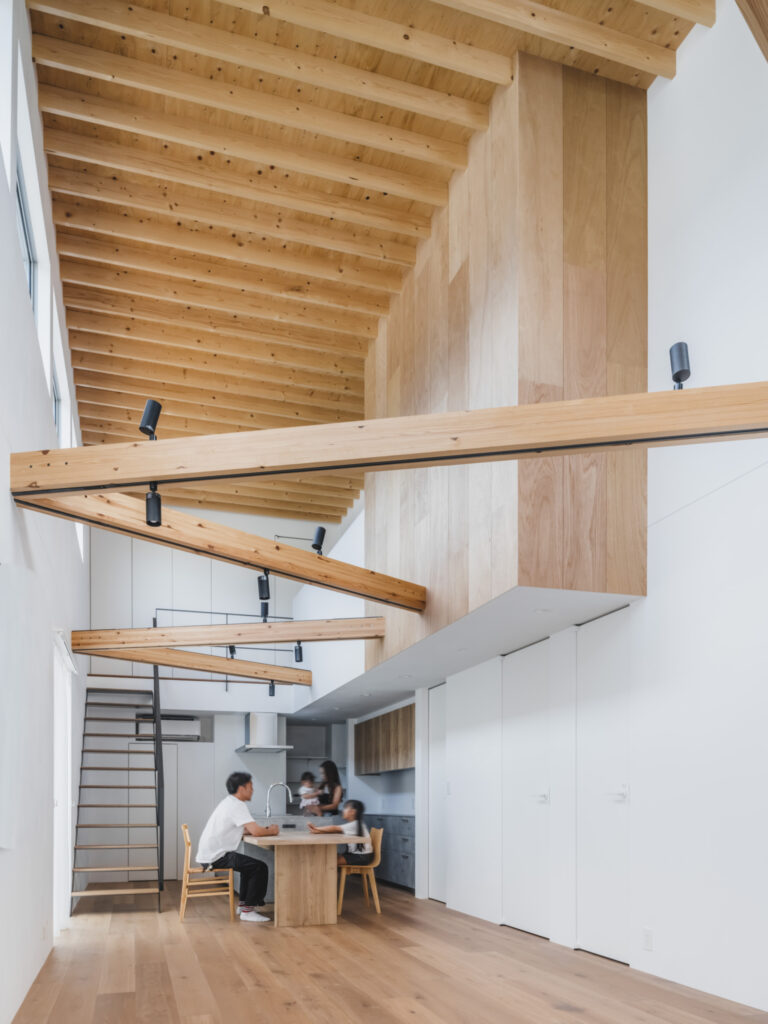
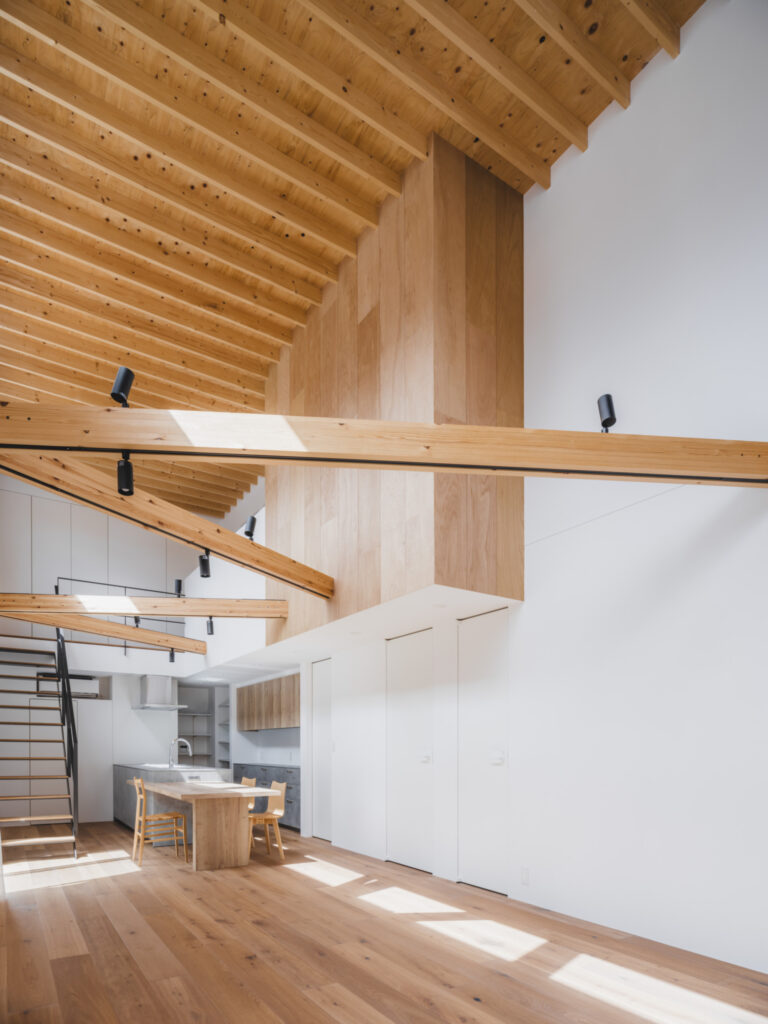
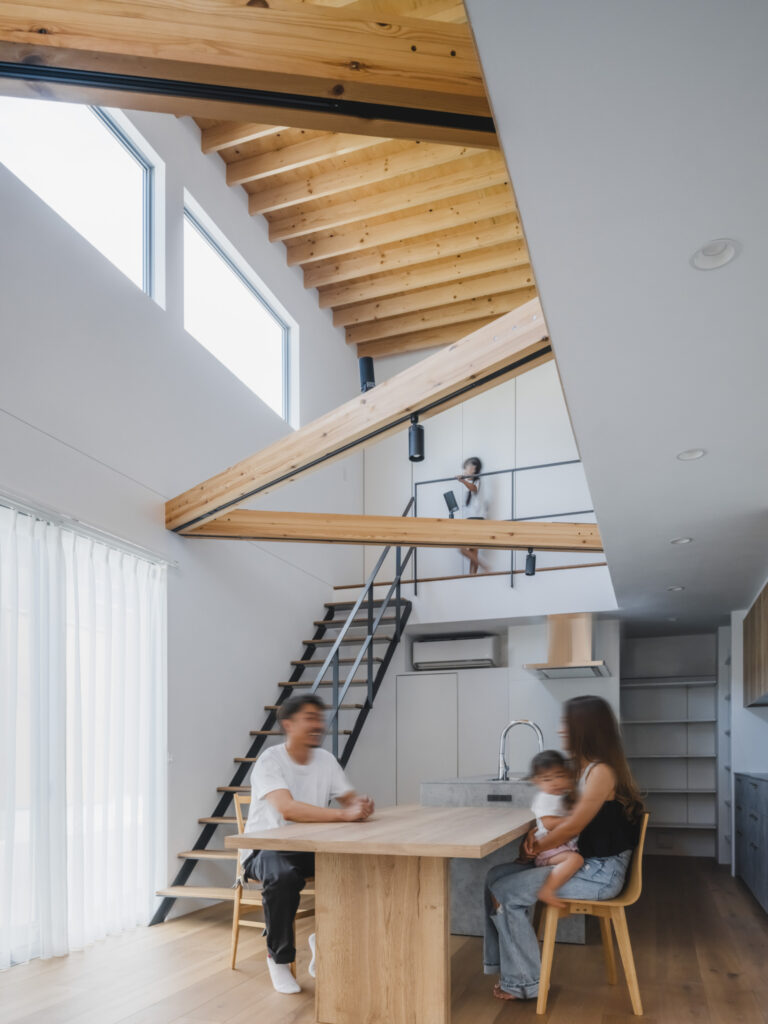
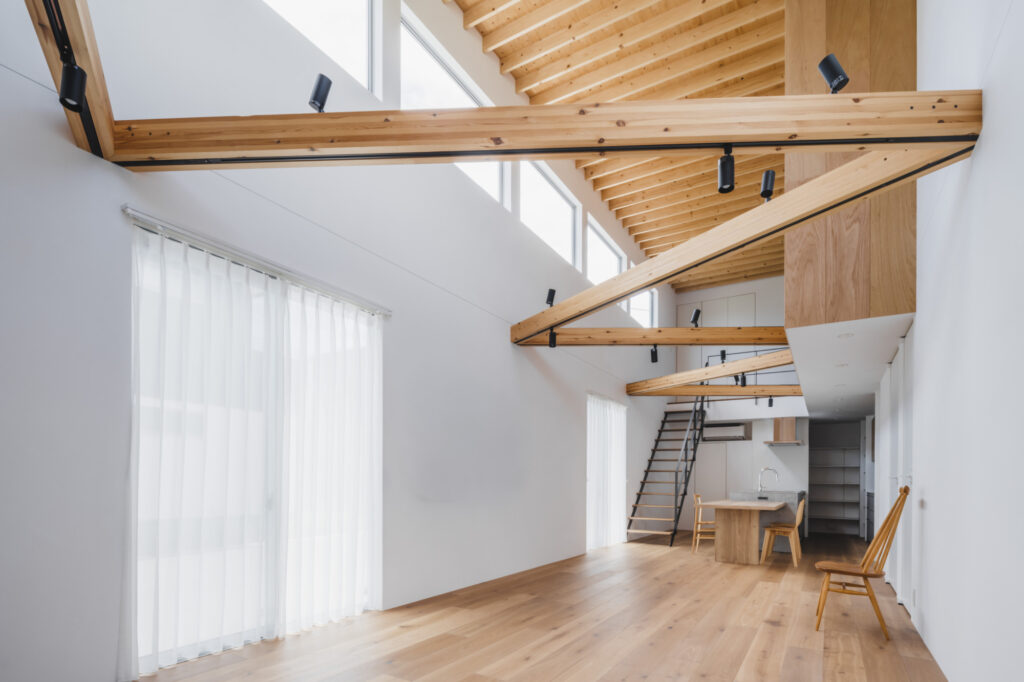
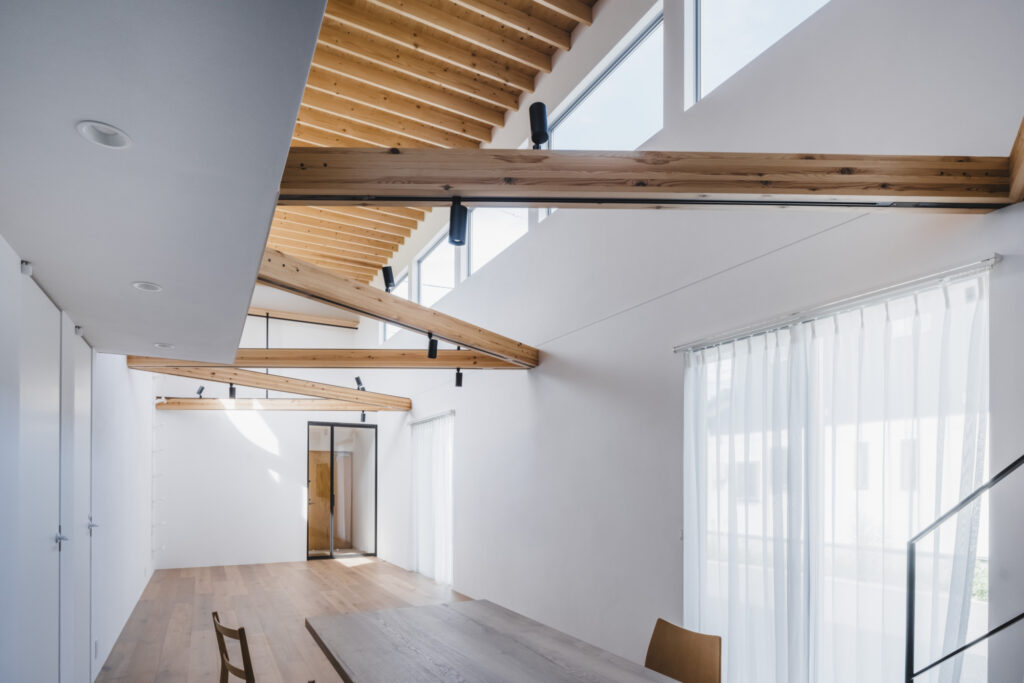
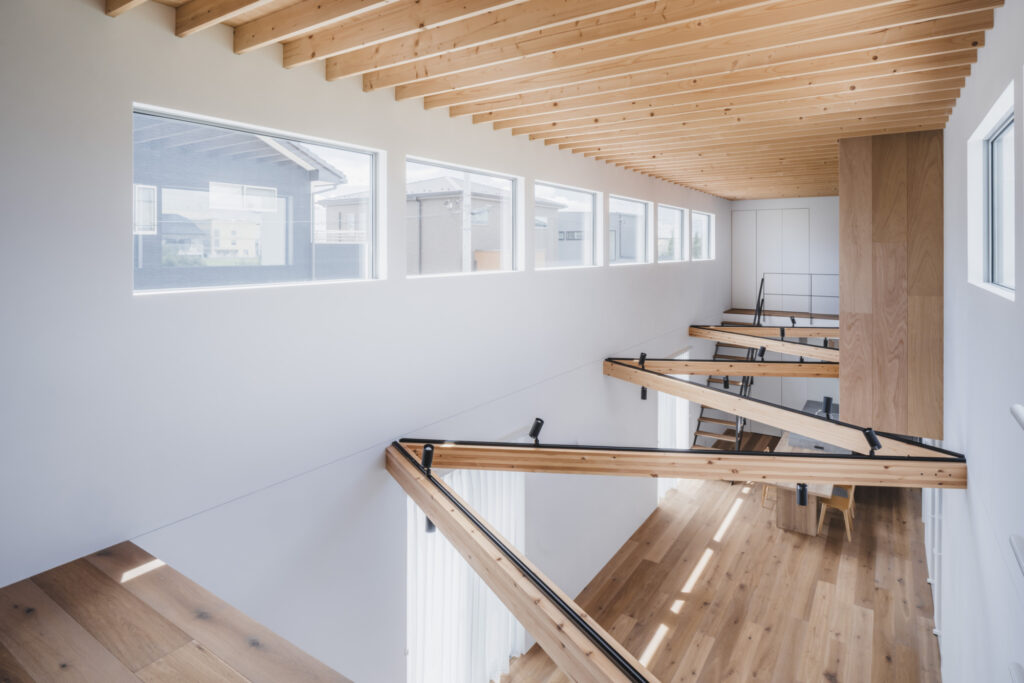
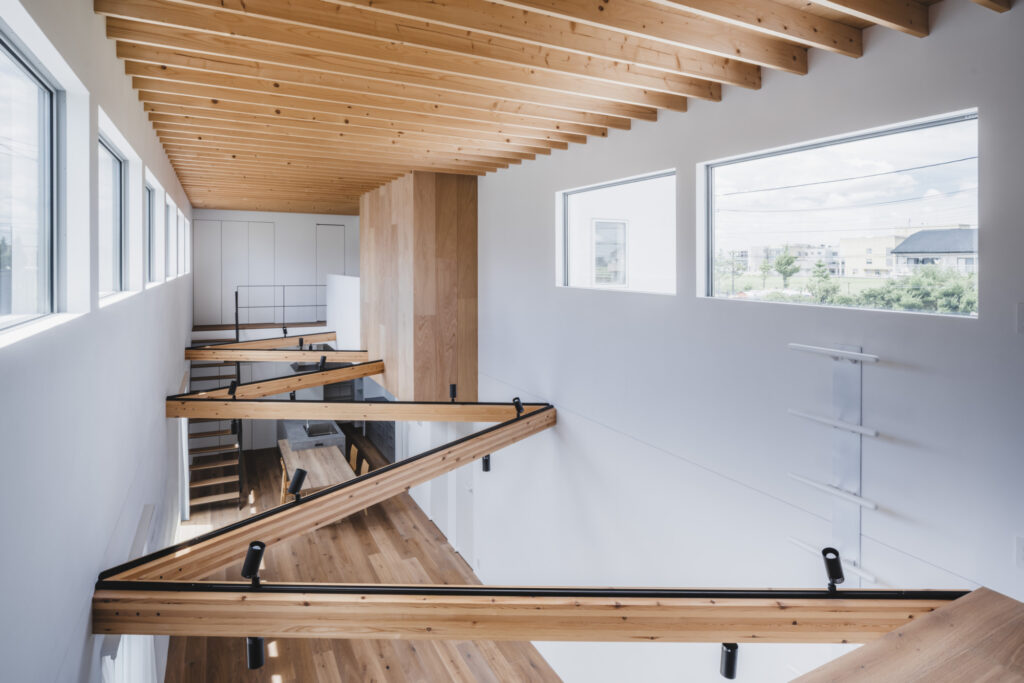
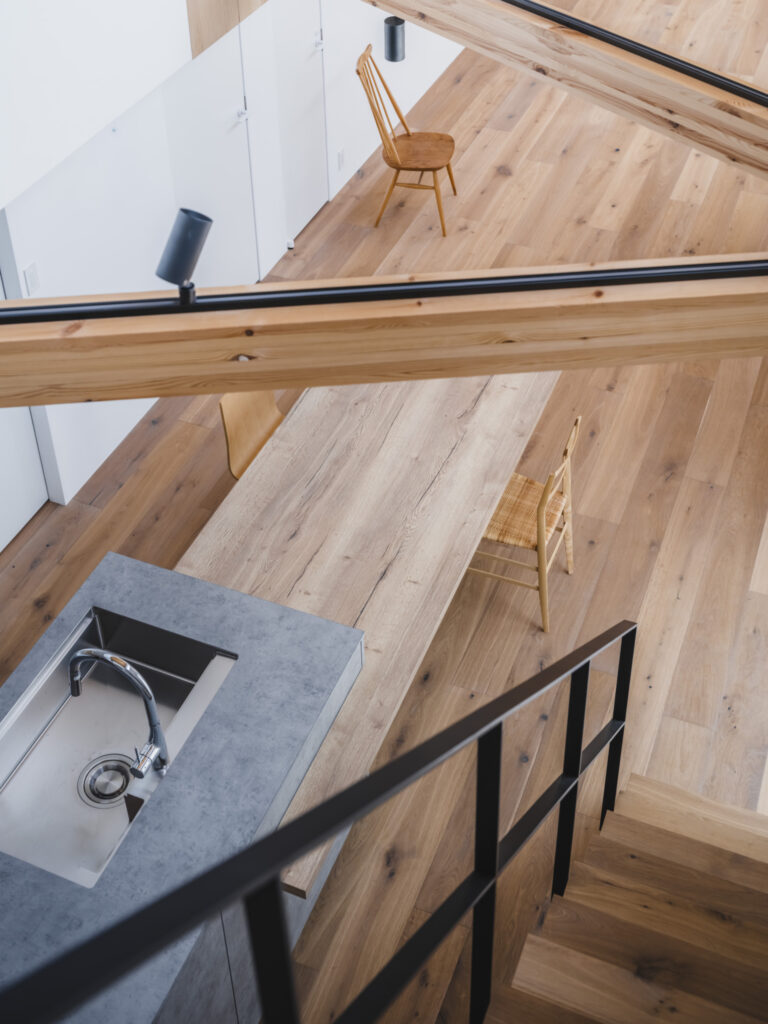
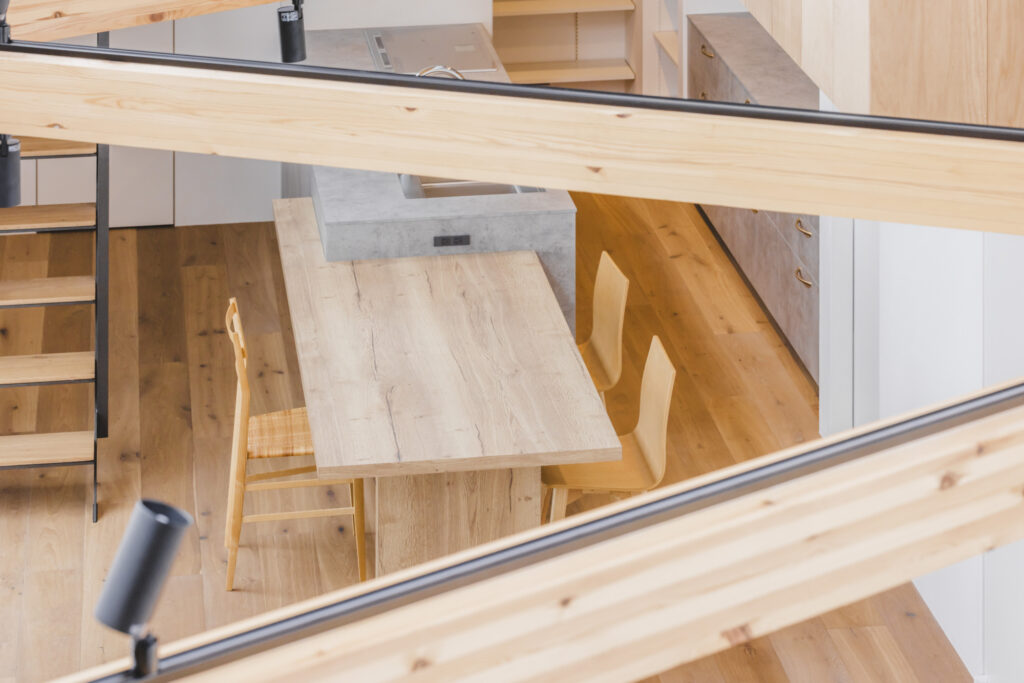
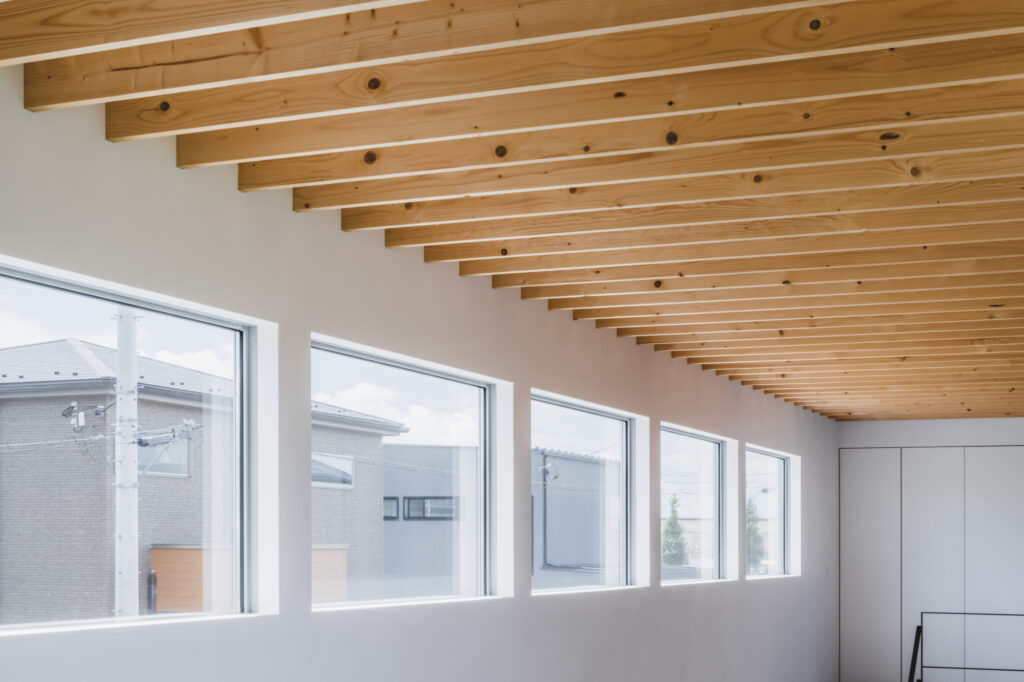
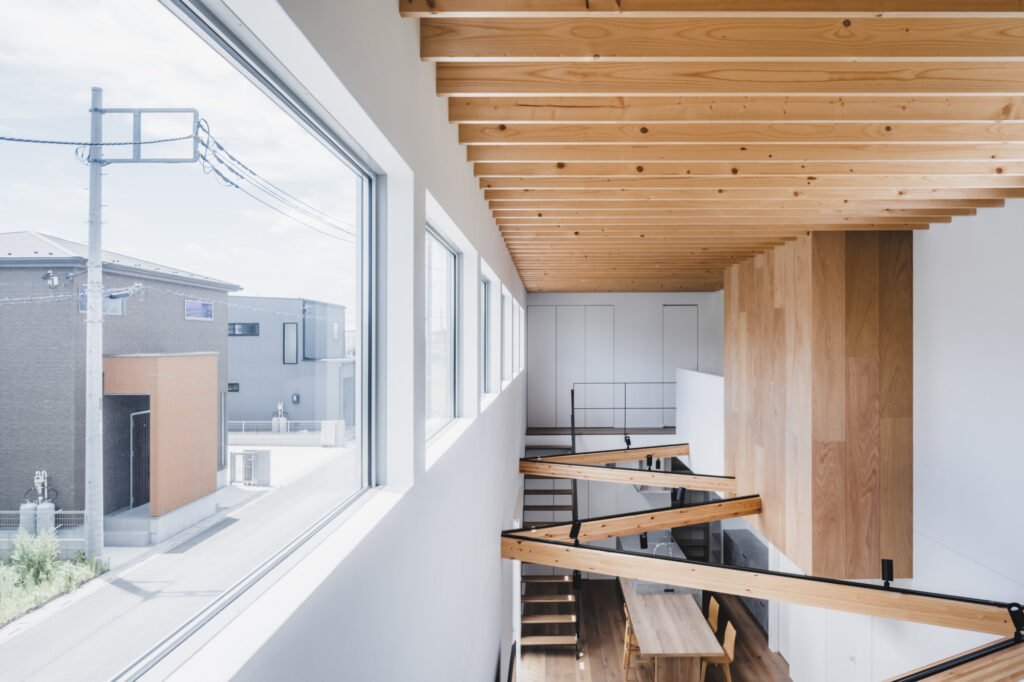
この計画では敷地の大きさや周辺環境が持つ開放感や伸びやかさを活かし、明るく開放的な空間を考えた。建物は巨大な1室空間であるグランドルームとその周囲に個室群を設けた構成になっている。建物の面積の半分を占めるこのグランドルームはリビングであり、ダイニングであり、廊下であり、子供たちの遊び場であり、庭でもあり、上部に流れる梁を手掛かりに、使い方を変化させることができる。グランドルームは「まち」と個室群の間に位置し、スケールの異なる2つの空間を接続し、「まち」や個室のもの・ことを受け止める余白の空間になる。
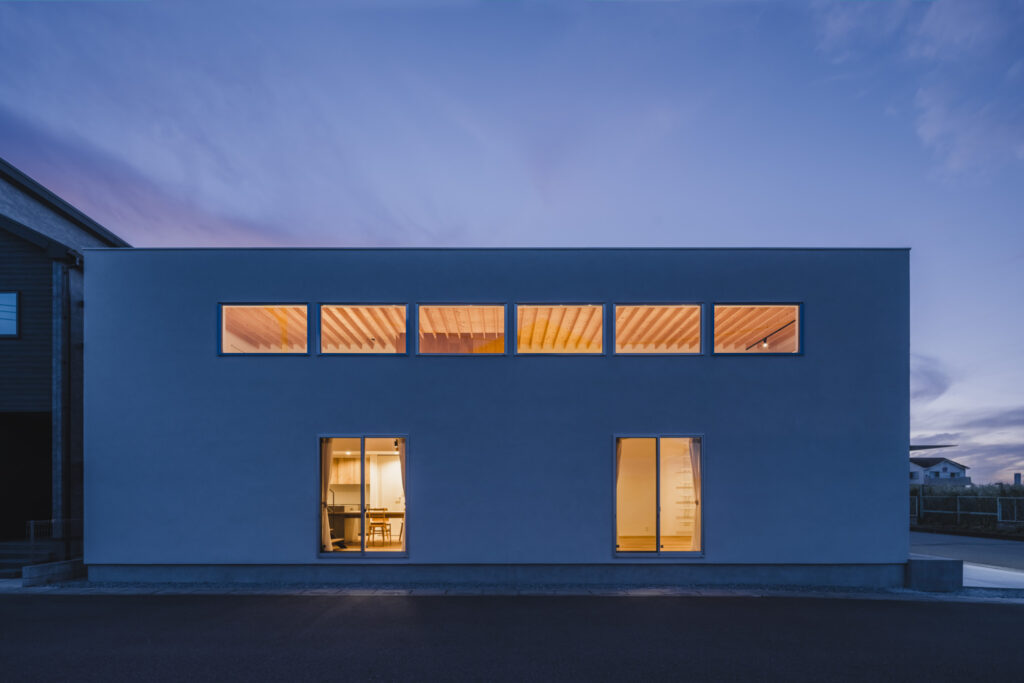
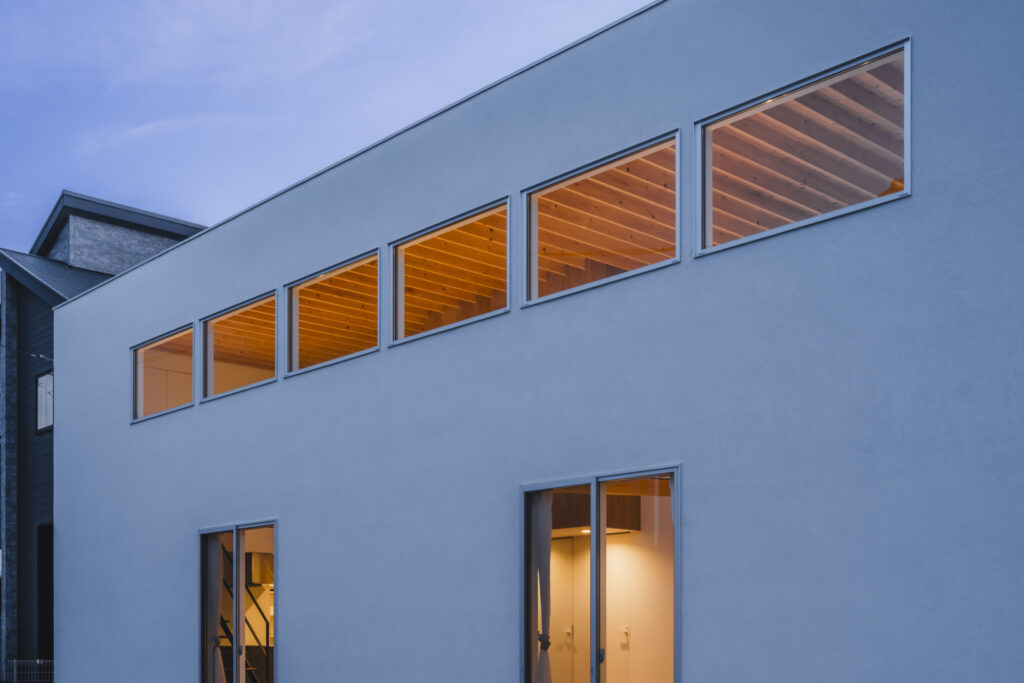
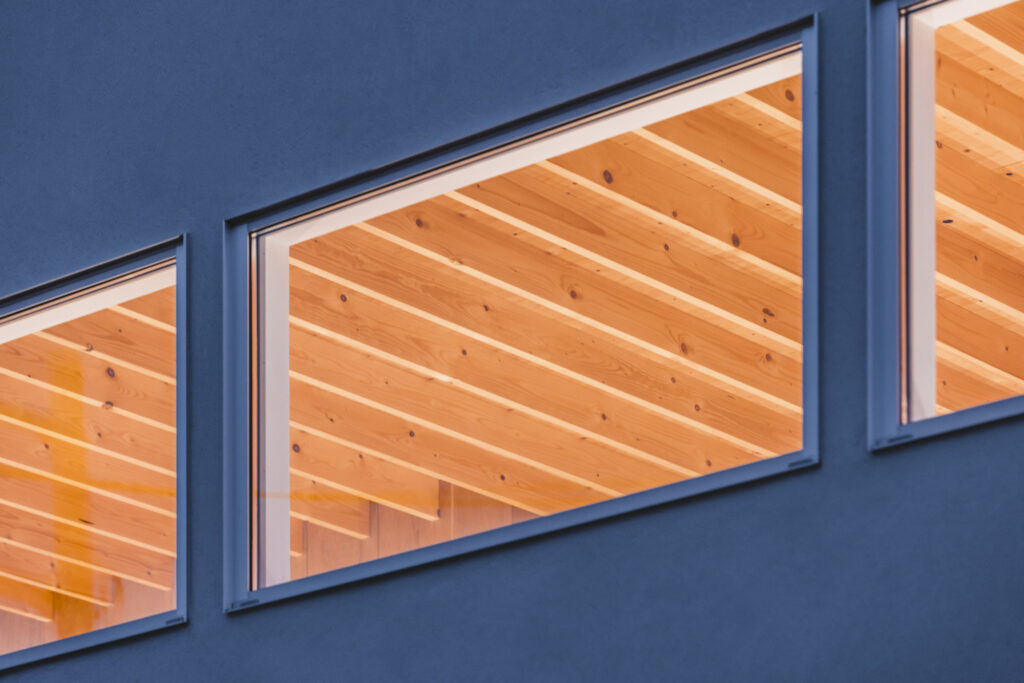
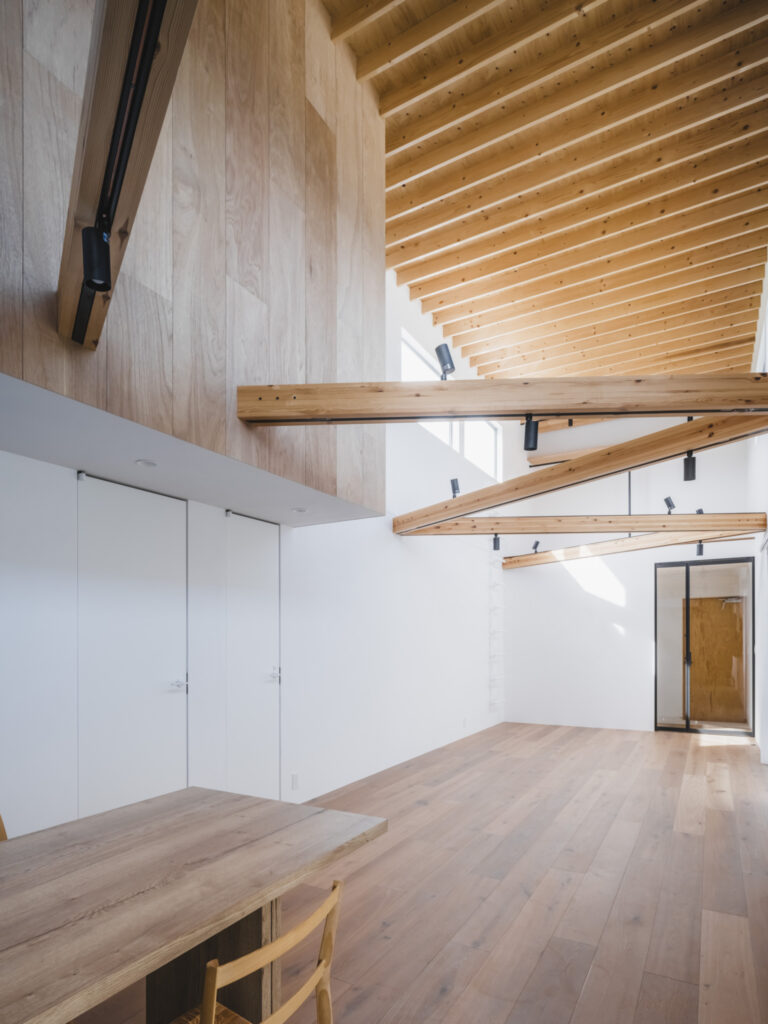
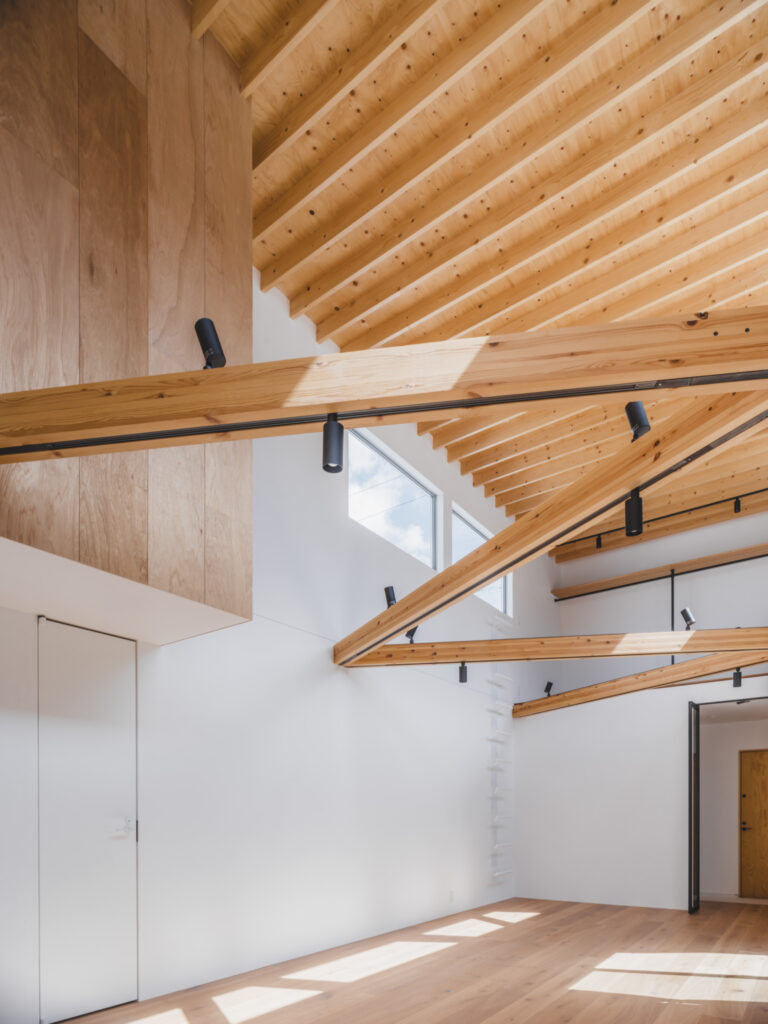
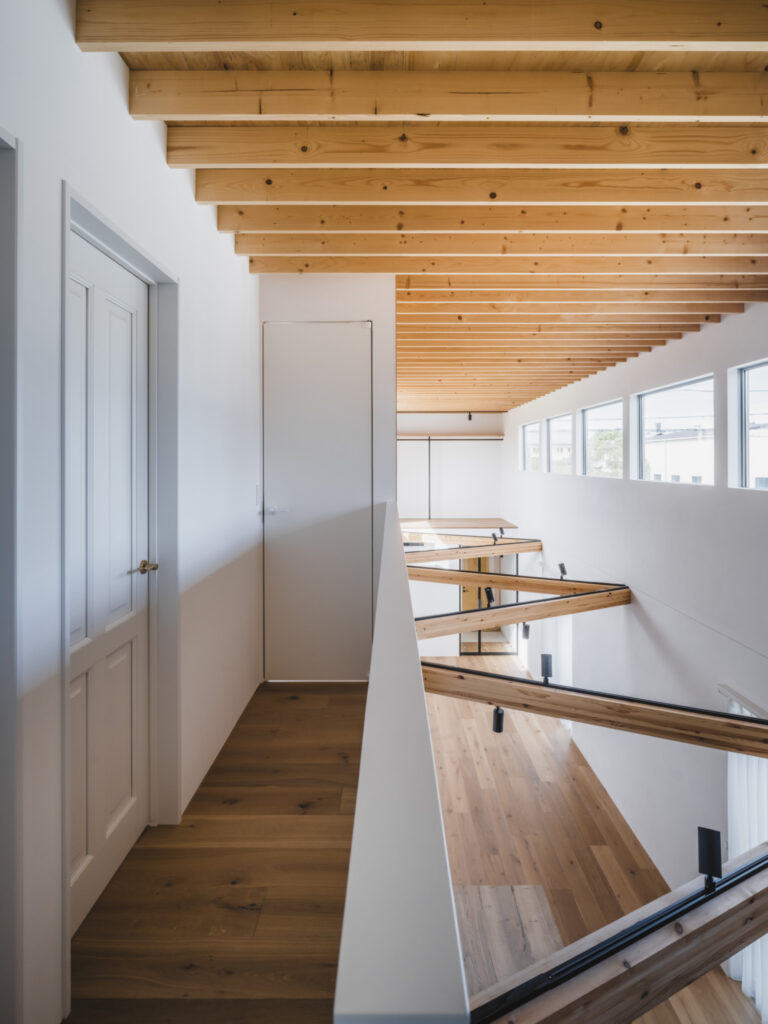
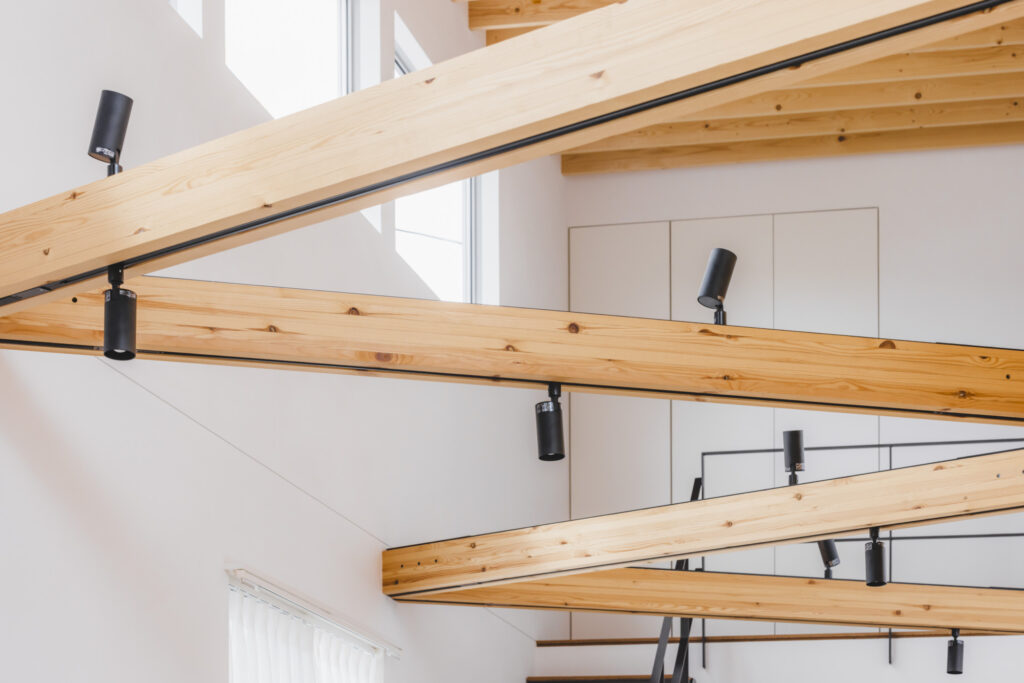
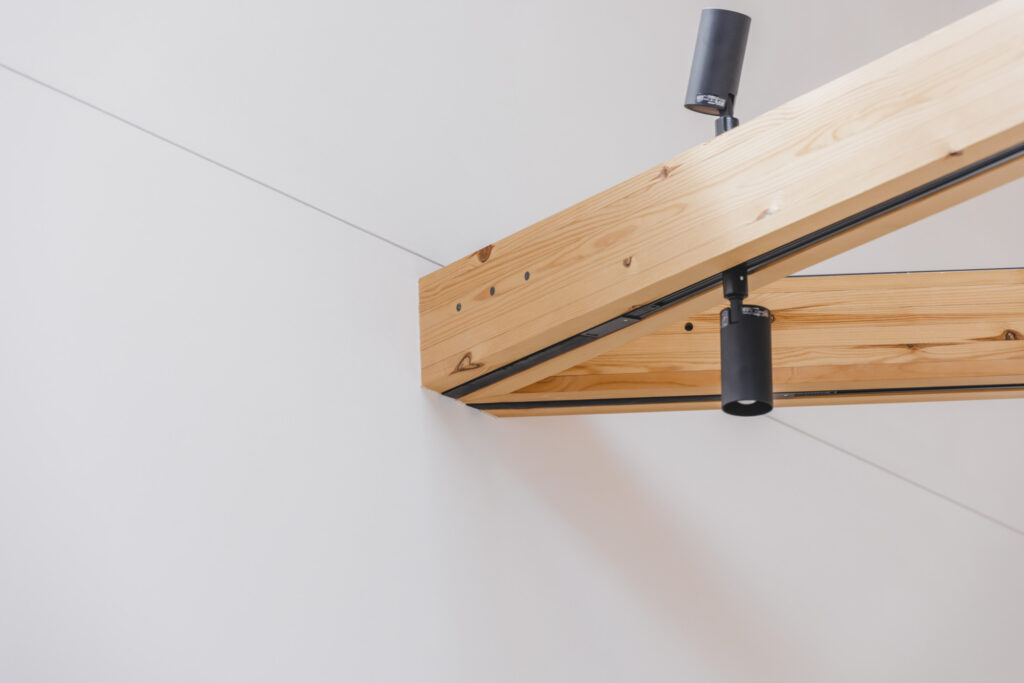
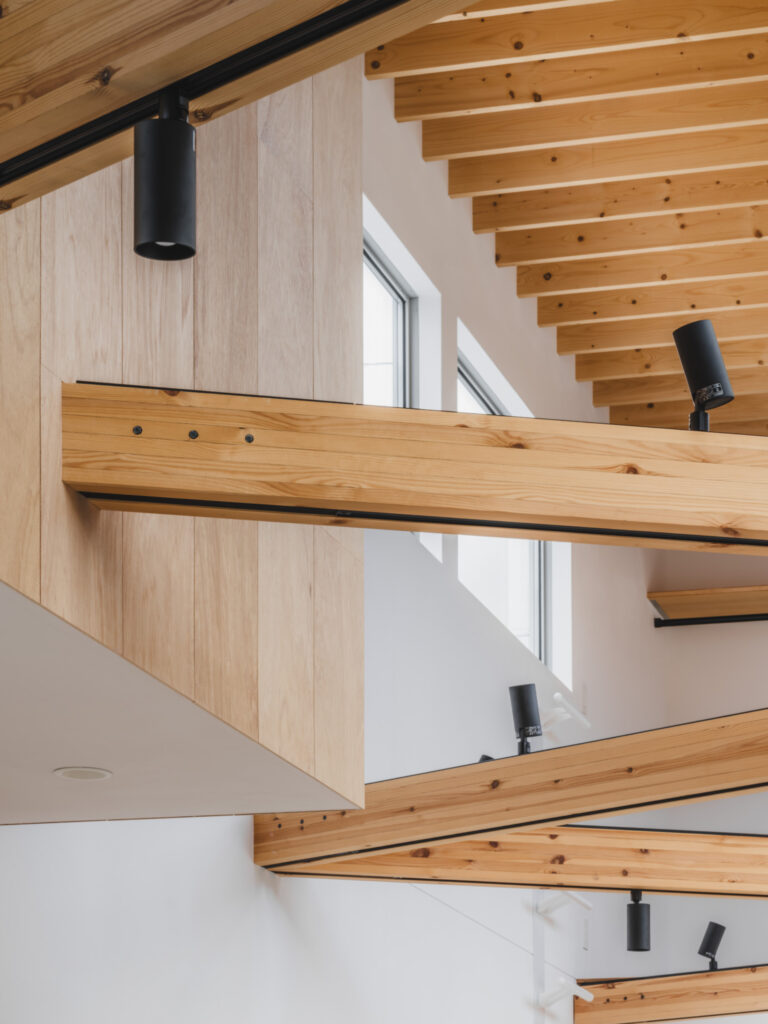
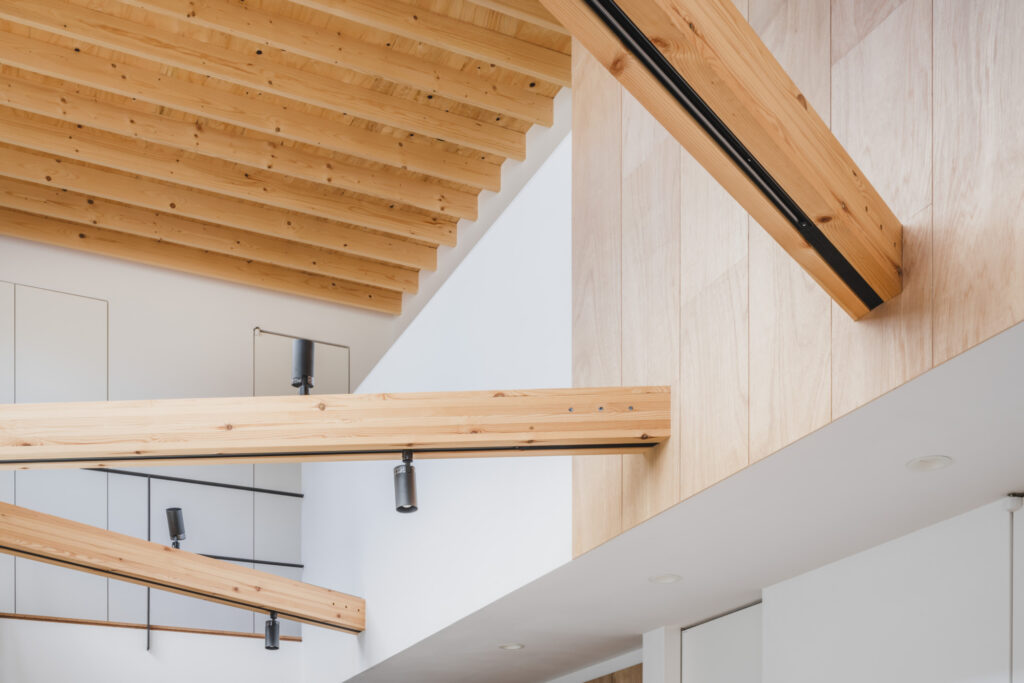
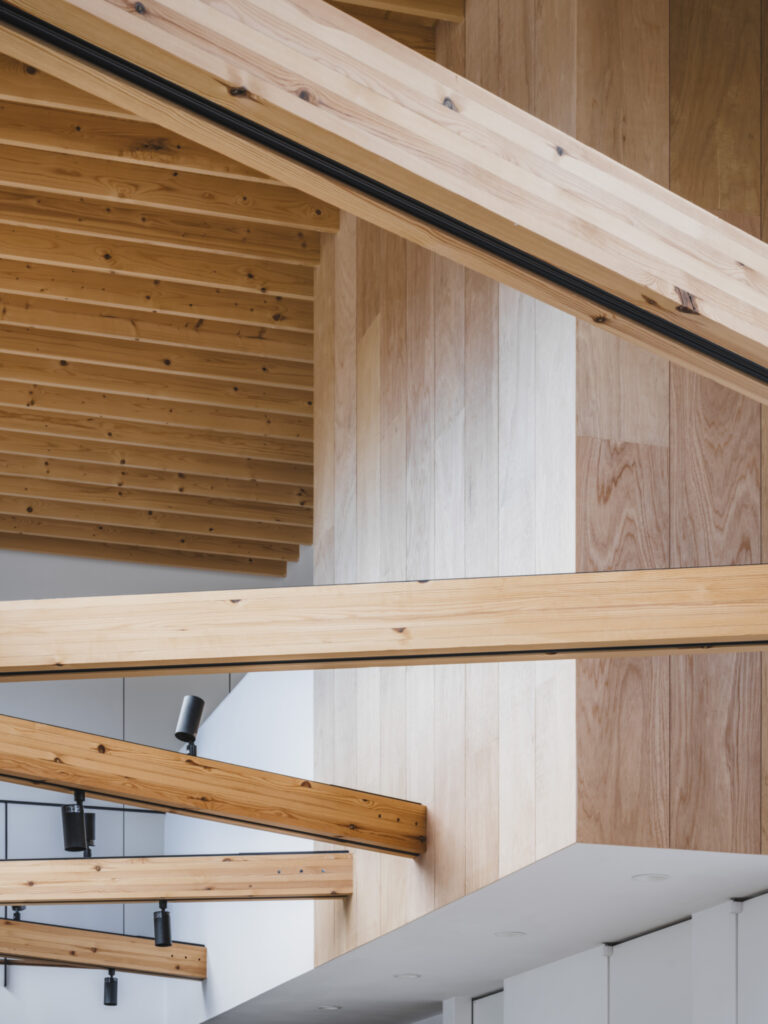
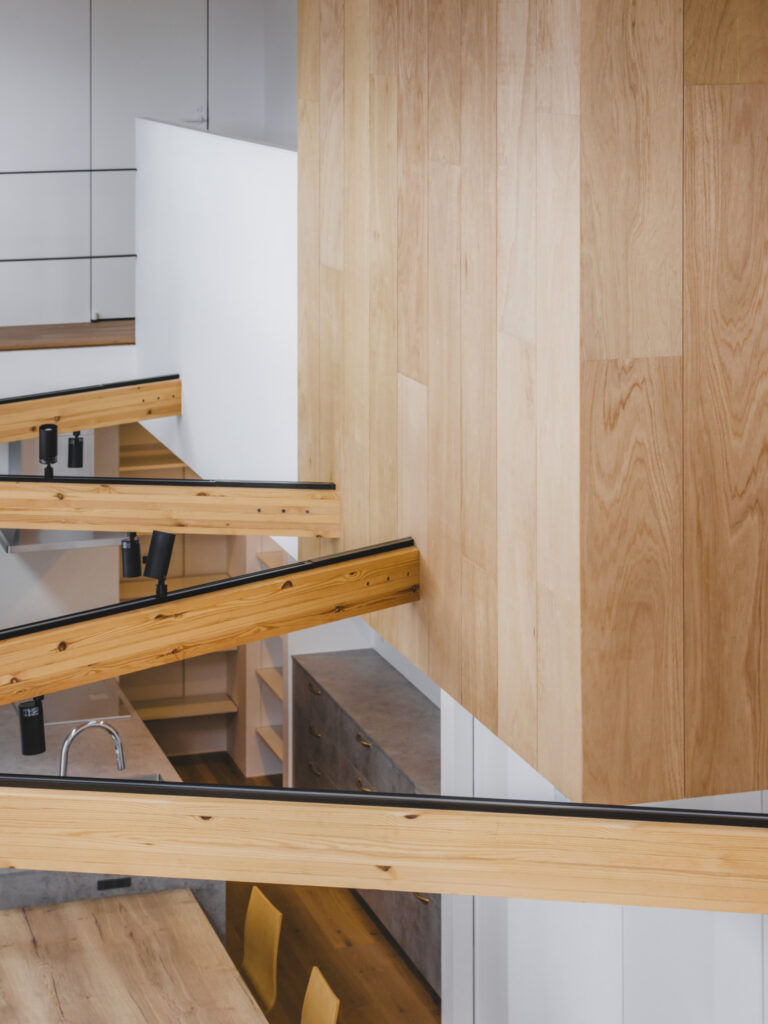
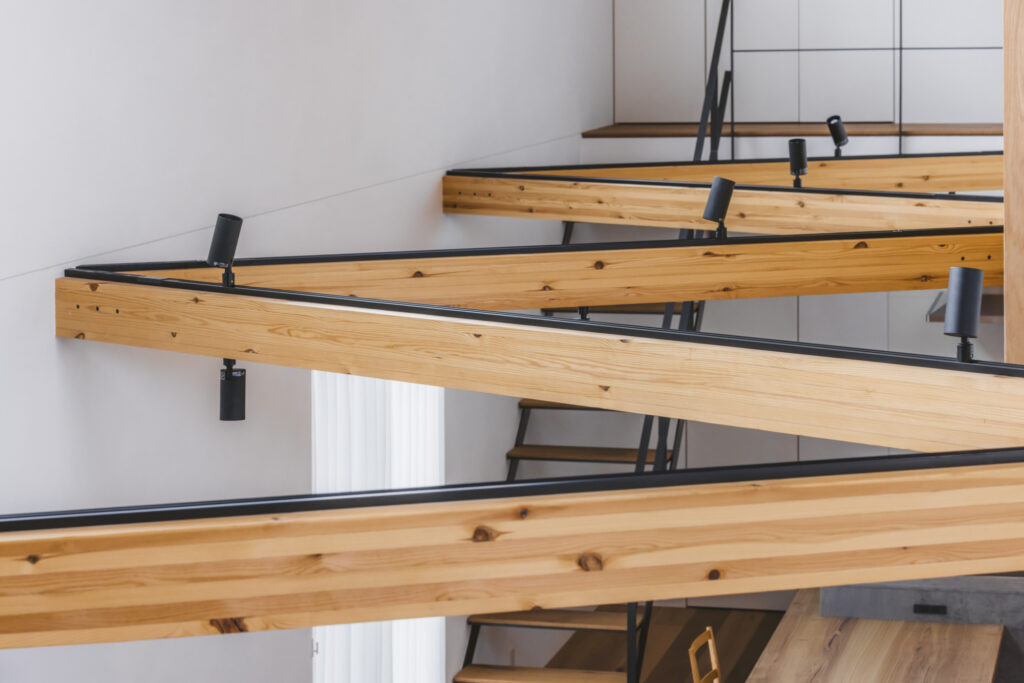
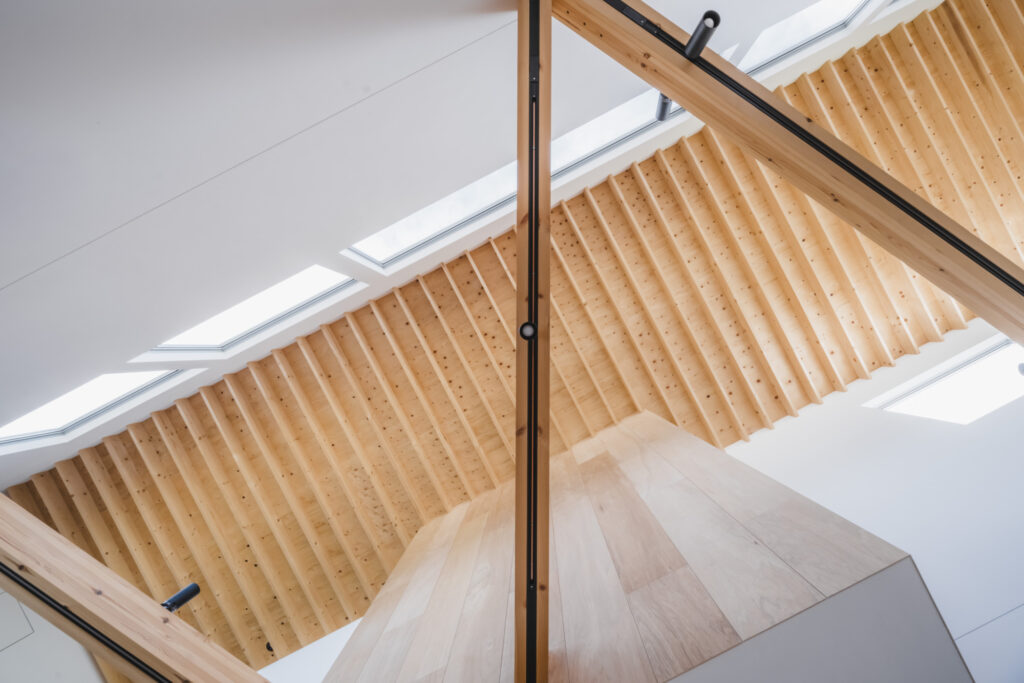
グランドルームは天井高さ5mの大空間を実現するためには、面剛性の確保と風に対する面外抵抗が必要になる。通常はキャットウォークや抜梁と火打ちで対応するのだが、この住宅では梁と火打ち両方の役割を持たせたジグザク梁を用いることで、単一のルールの線材のみで大空間を実現している。このジグザグ梁は高さ方向に奥行きをつくり、水平方向にパースをきかせることで空間をさらに広く感じさせる。さらにライティングレールを兼ねていて、人の居場所の手掛かりにもなっている。
リビングやダイニングという室名で空間をつくるのではなく、多くの機能を受け止める無機能な空間が、変化を受け止める大らかな空間となり、この住宅のあり方を決定している。そしてそれはクライアントがこの場所で暮らすために求めた暮らしの在り方である。
Grand Room / House
The site is located on the edge of a residential development surrounded by a rural landscape, facing both a busy road and a private lane. The client—a family of four consisting of a couple and their two young children—desired a generous, flexible home that could accommodate changes in their lifestyle as their children grow.
The design takes advantage of the spaciousness and openness offered by the large site and its surrounding environment to create a bright and expansive space. The building consists of a single large space called the Grand Room, around which private rooms are arranged. Occupying half of the building’s total area, the Grand Room functions as a living room, dining room, hallway, play area for the children, and even as a garden. Its usage can change flexibly, guided by the overhead beams running through the space.
Positioned between the “town” and the cluster of private rooms, the Grand Room serves as a transitional space that connects two environments of differing scales. It becomes a generous void that receives and mediates the activities and objects from both the private spaces and the outside world.
To realize this 5-meter-tall open volume, it was necessary to secure surface rigidity and ensure out-of-plane resistance to wind forces. While typical solutions might involve catwalks, dropped beams, or diagonal bracing, this house employs a zigzag beam system that performs the functions of both beams and braces. Using only a single type of linear structural element, this approach achieves a unified yet dynamic spatial structure. The zigzag beams add depth vertically and perspective horizontally, enhancing the sense of openness. They also double as lighting rails and help define zones within the space.
Rather than defining rooms by their conventional functions—like “living” or “dining”—this house centers around a non-prescriptive space capable of accommodating multiple activities. This generous, adaptable void ultimately defines the character of the home and reflects the way of life the clients envisioned for their time here.