はなれの家(2025)
Building of the Year 2026 nomination

はなれの家
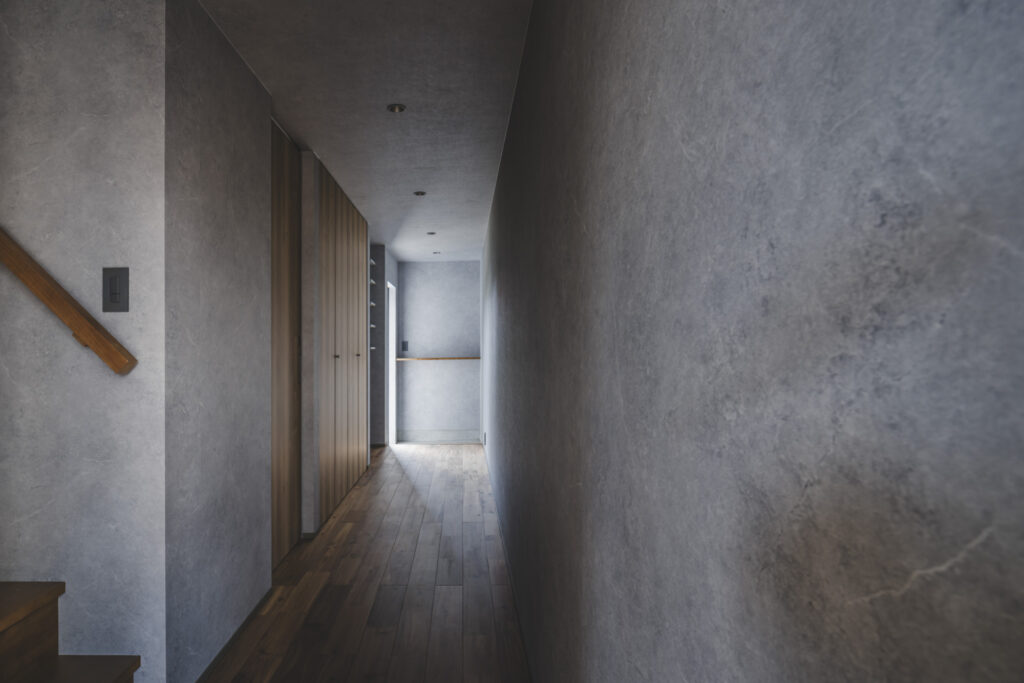
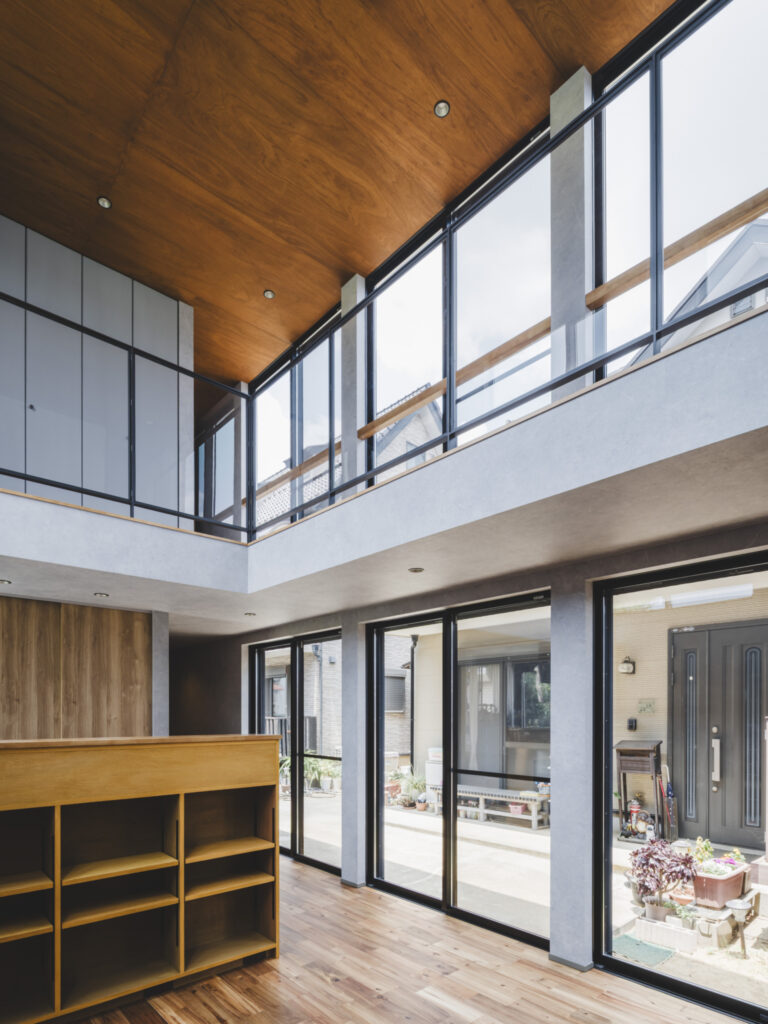
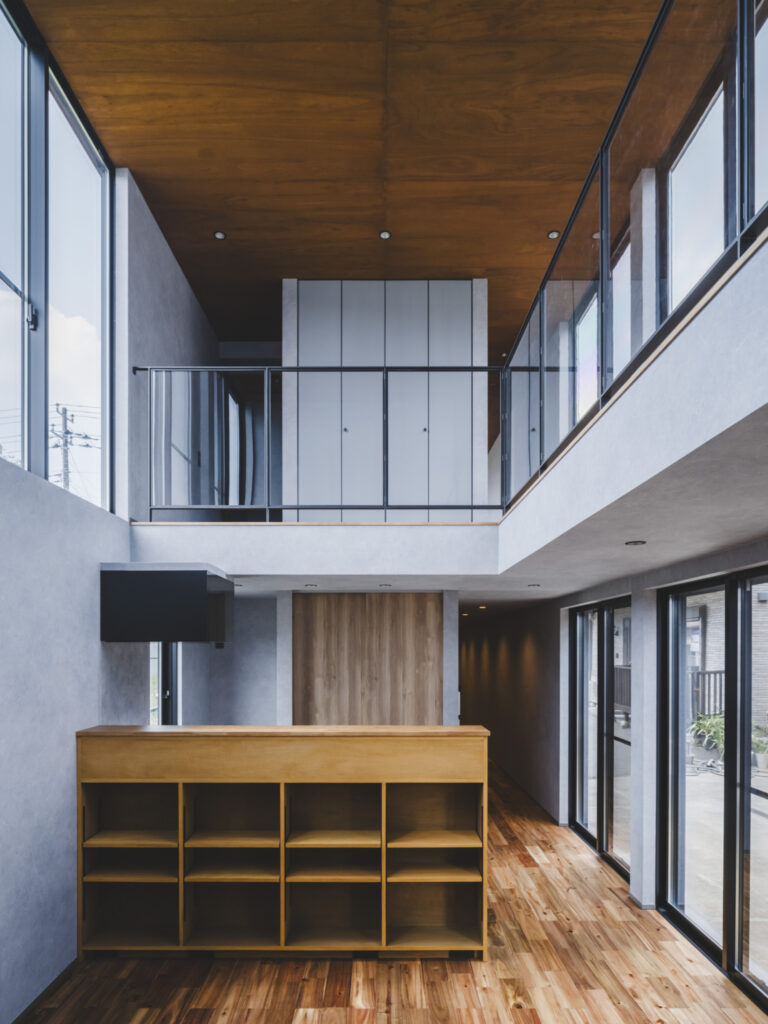
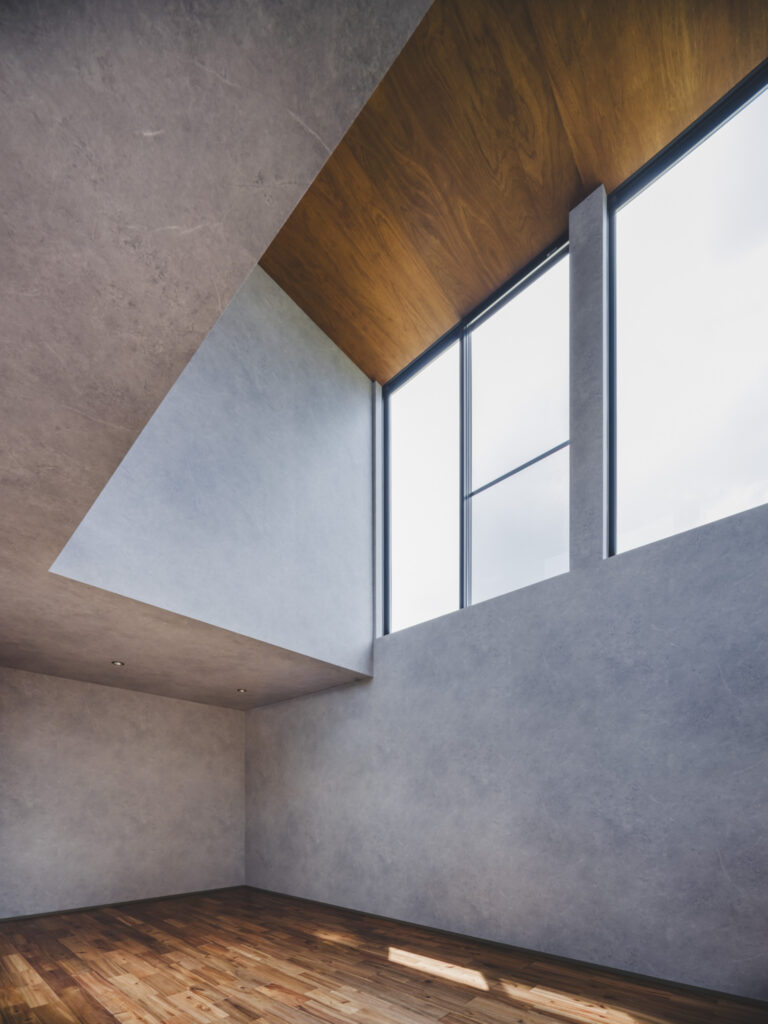
撮影 ©神宮巨樹
architecturephoto 2025.October
はなれの家
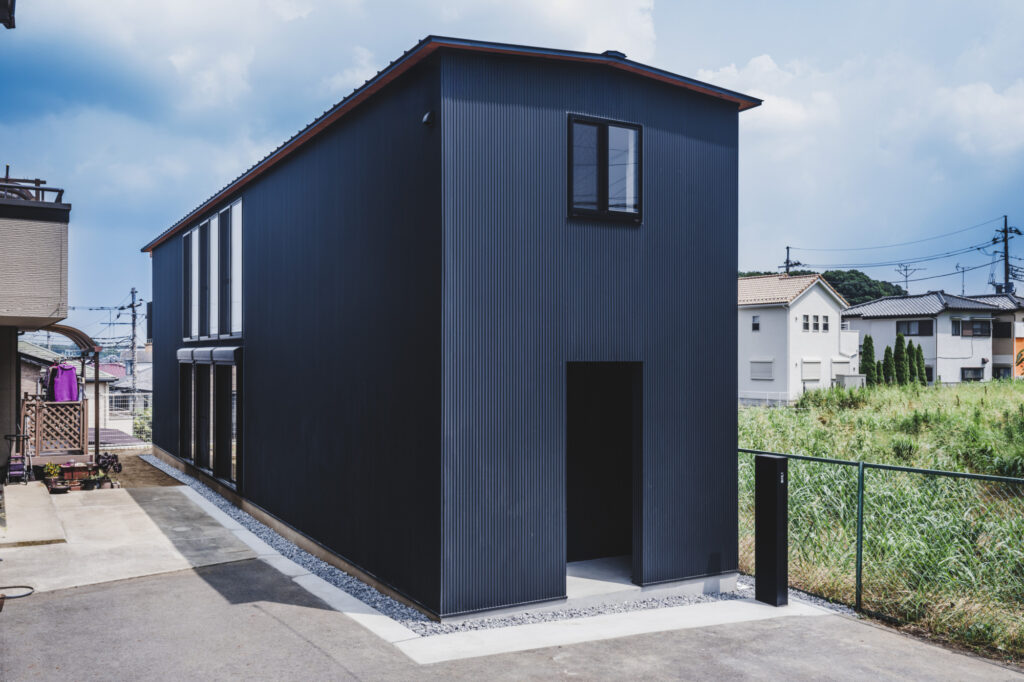
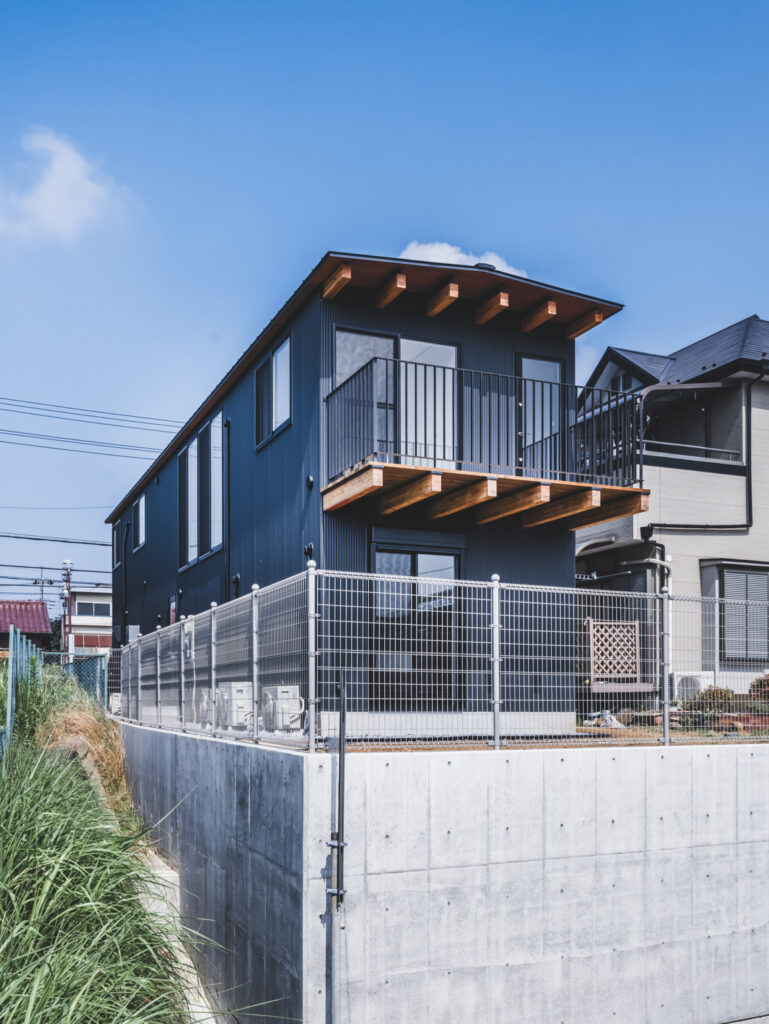
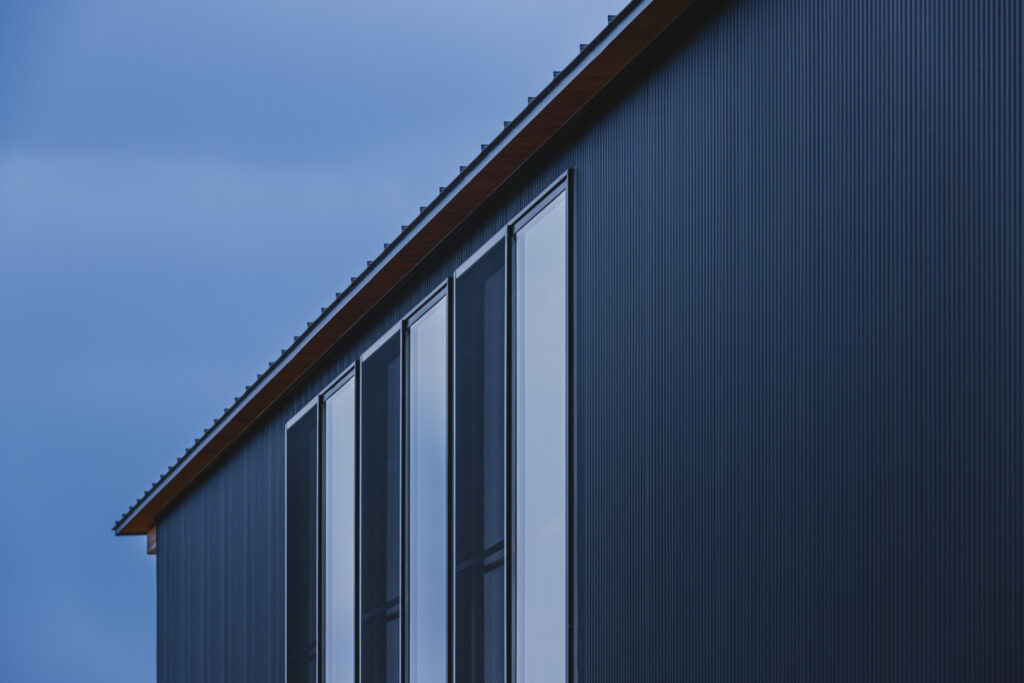
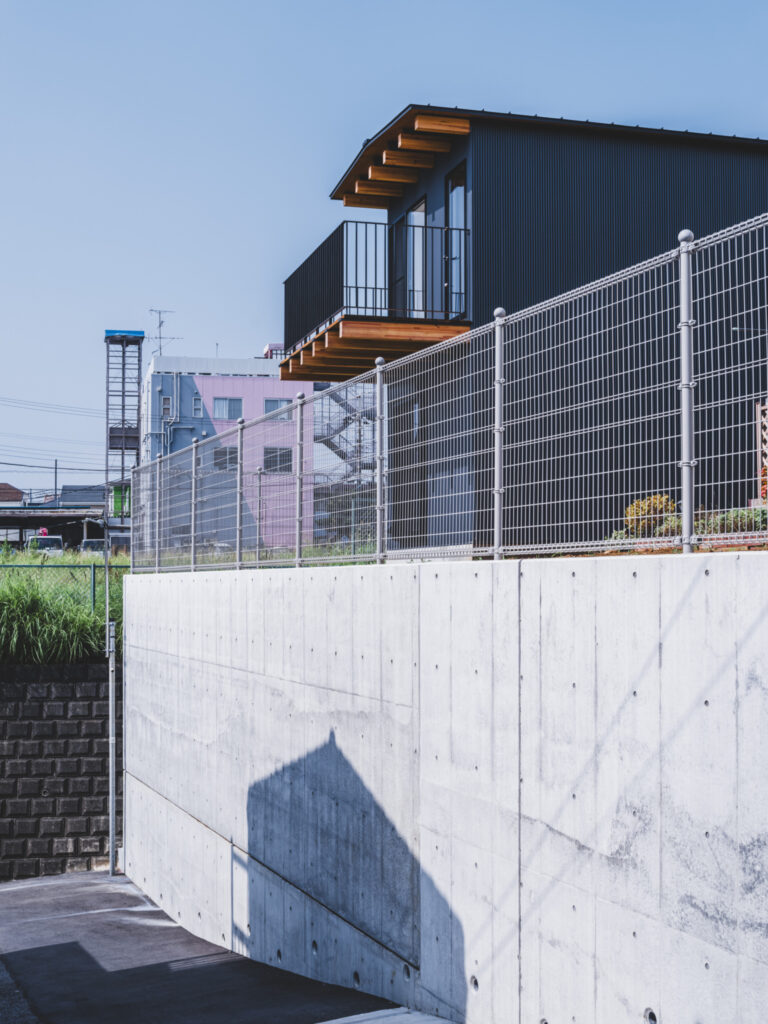
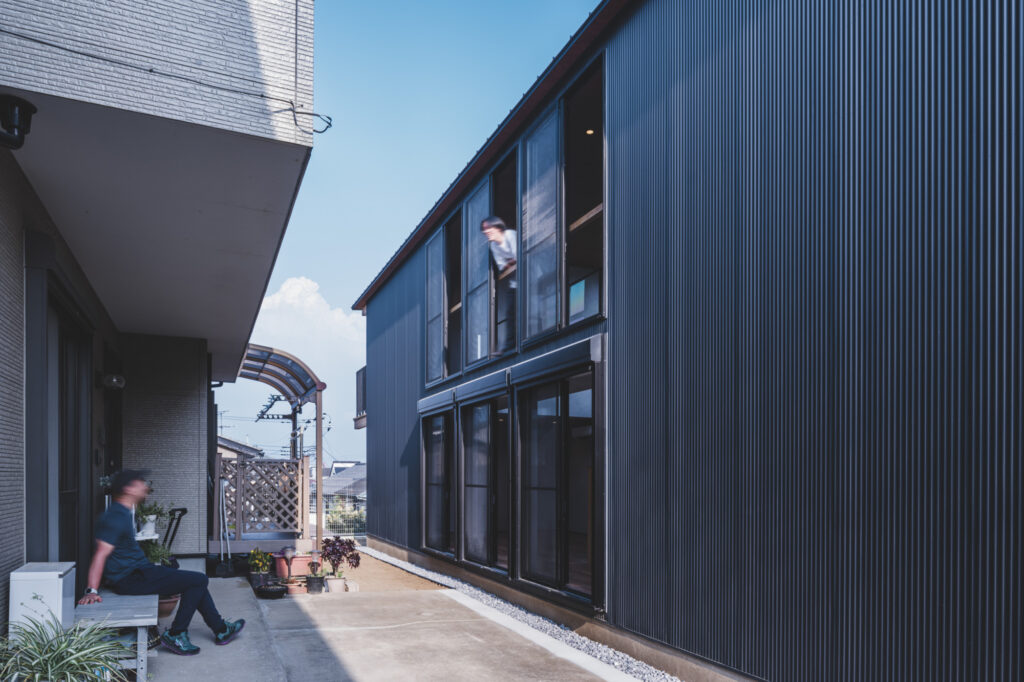
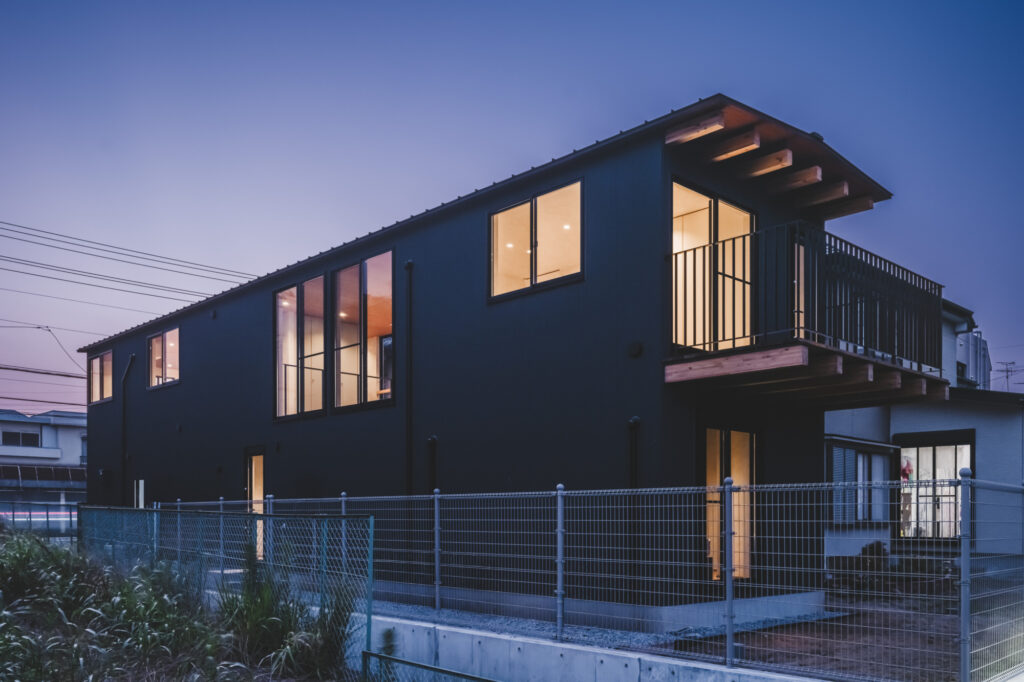
クライアントは実家の敷地の一角に家族のための新しい住宅を建てることにした。間口4m、奥行35mの昔は私道になっていた場所が敷地だ。敷地の北側には実家が近接し、南側には国有地の大きな空き地、東側は4mの高低差の崖になっている。実家に近接した距離に建てる計画で、クライアントが今でも実家の祖母、母と頻繁に行き来する関係を見て、つかず離れずの関係性を持つ「はなれ」のような立ち方が良いのではないかと考えた。
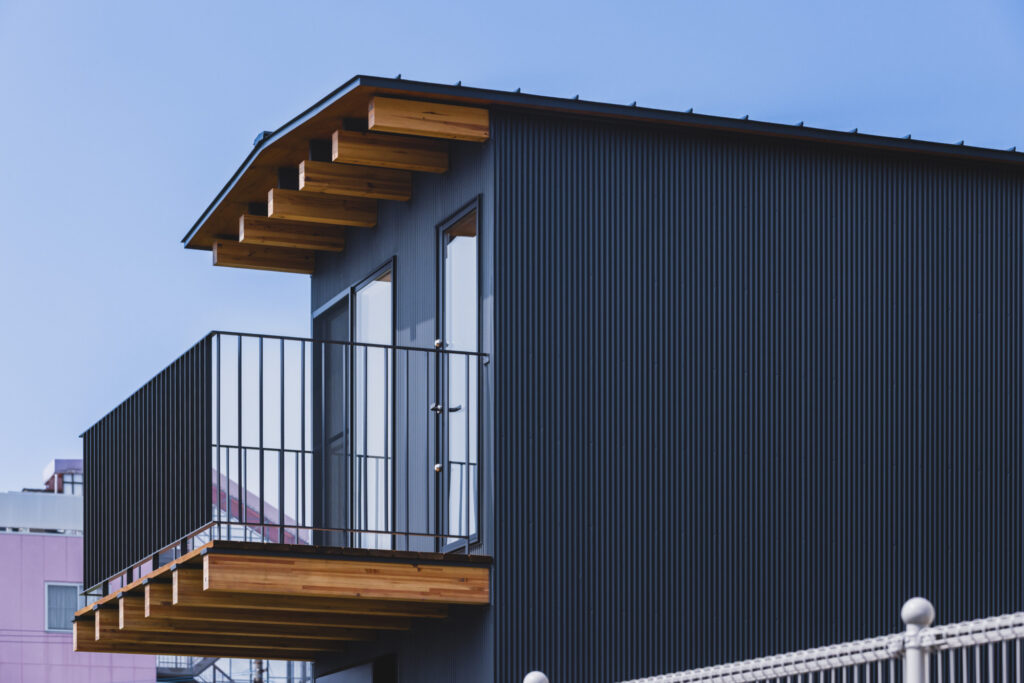
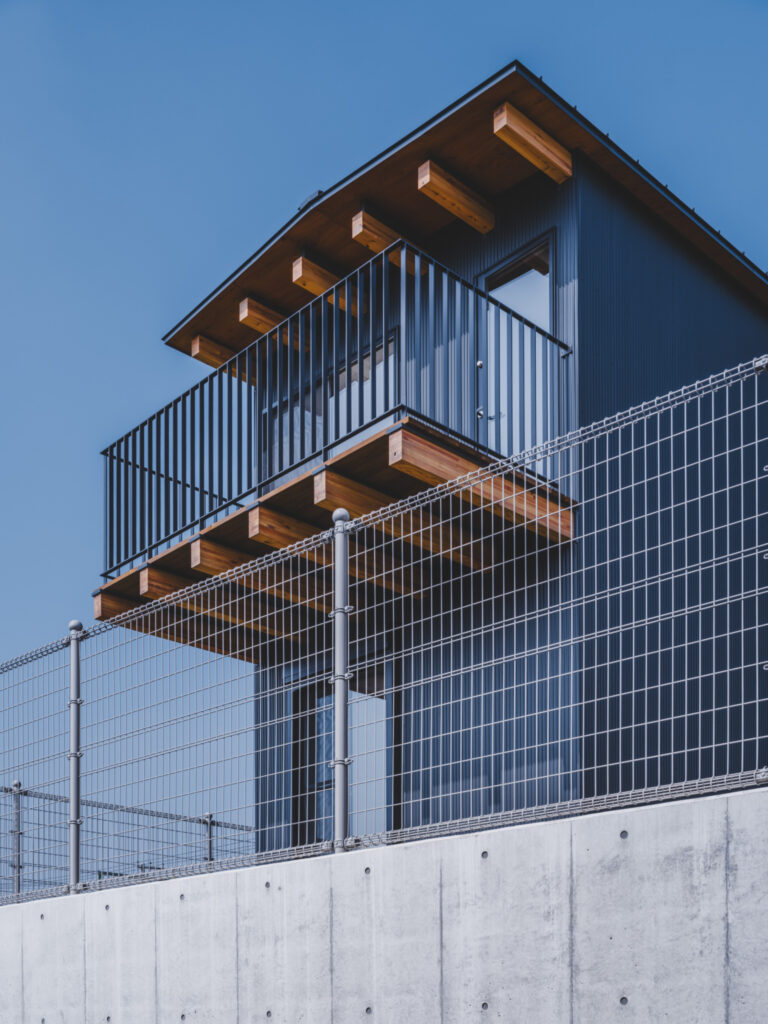
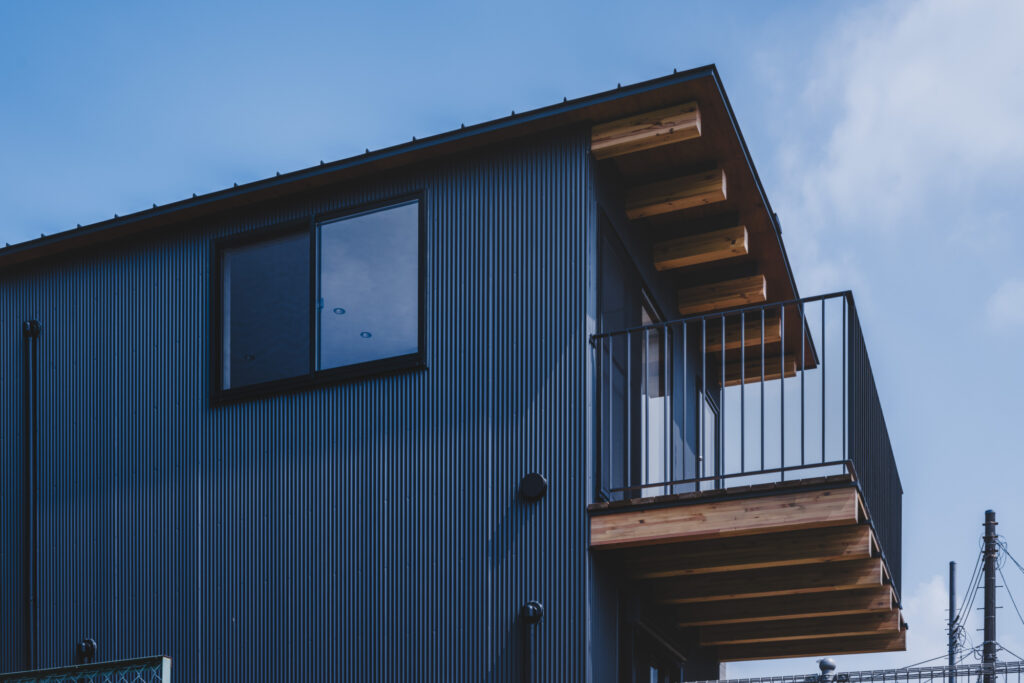
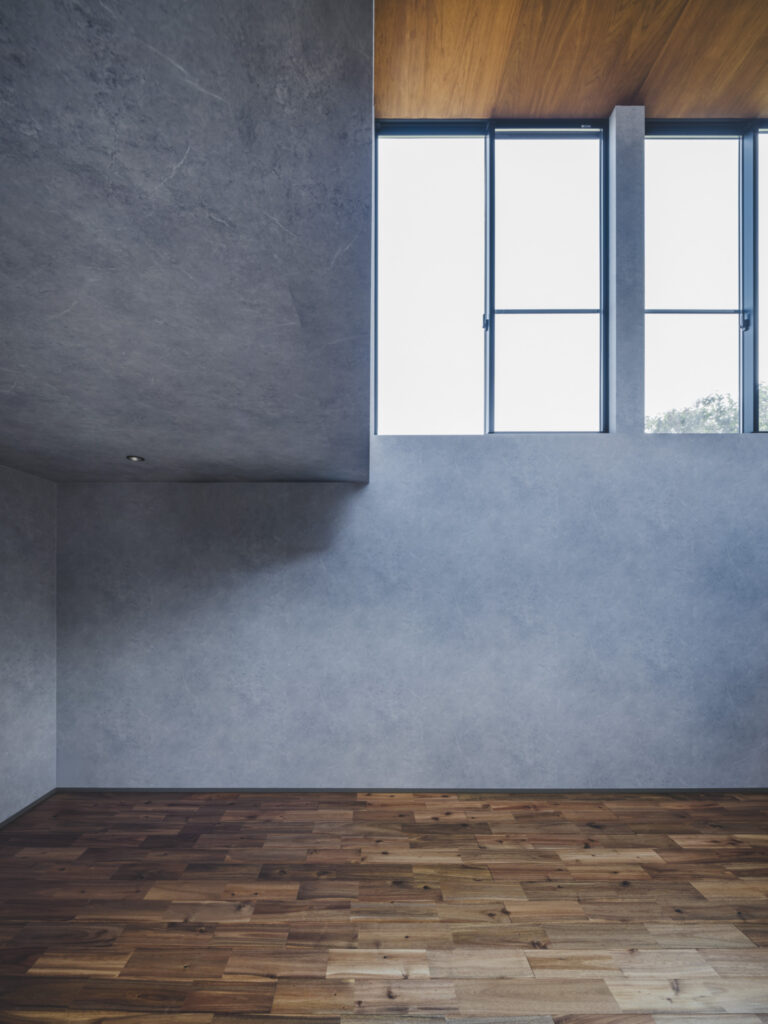
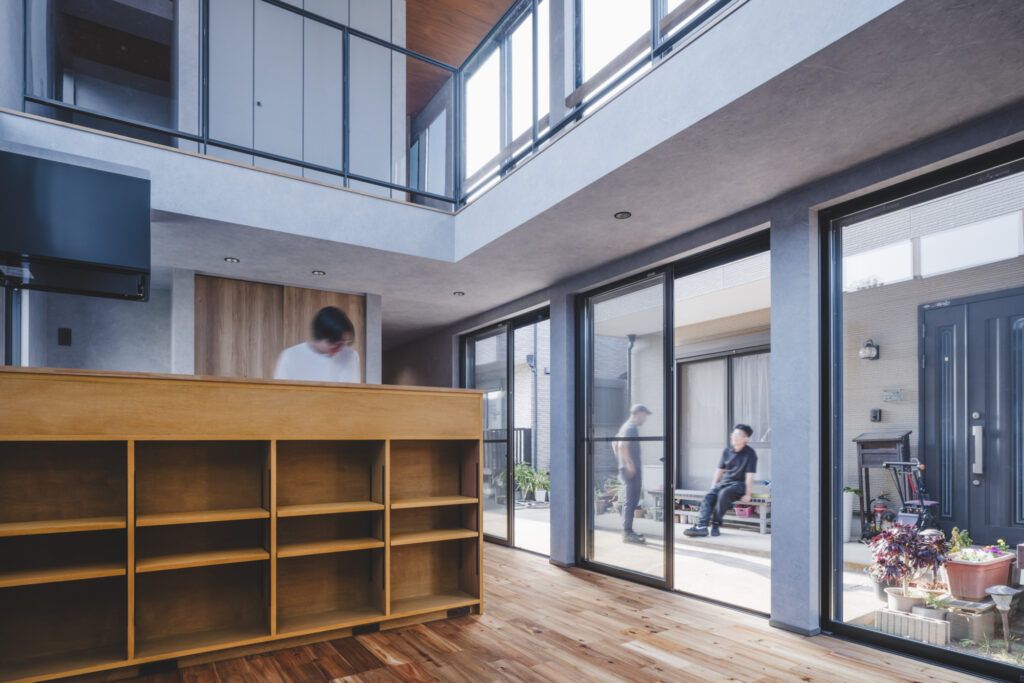
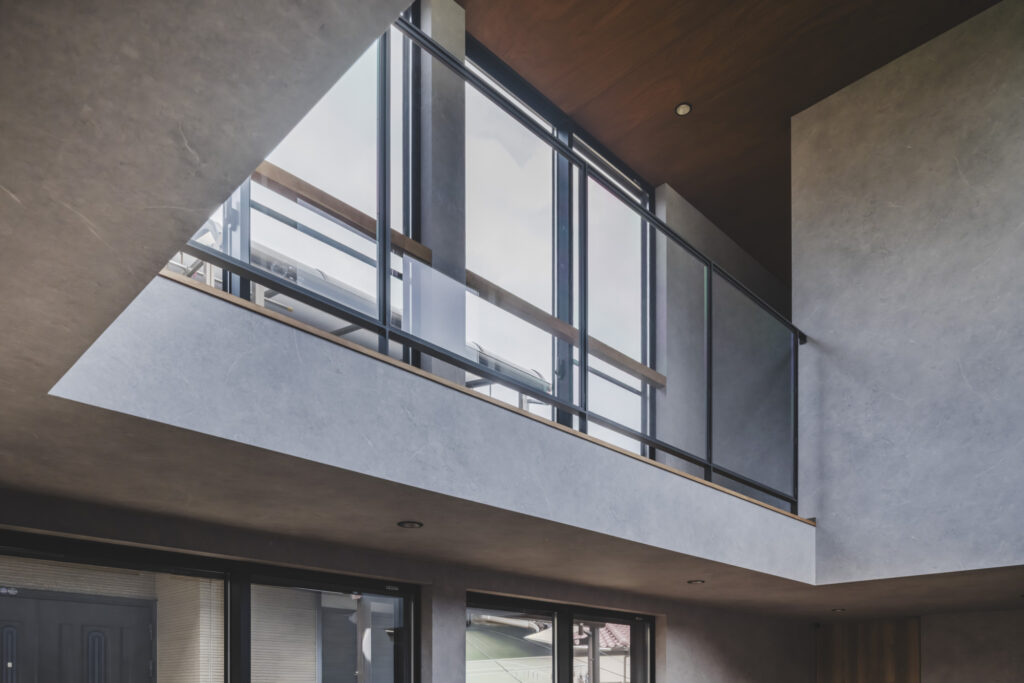
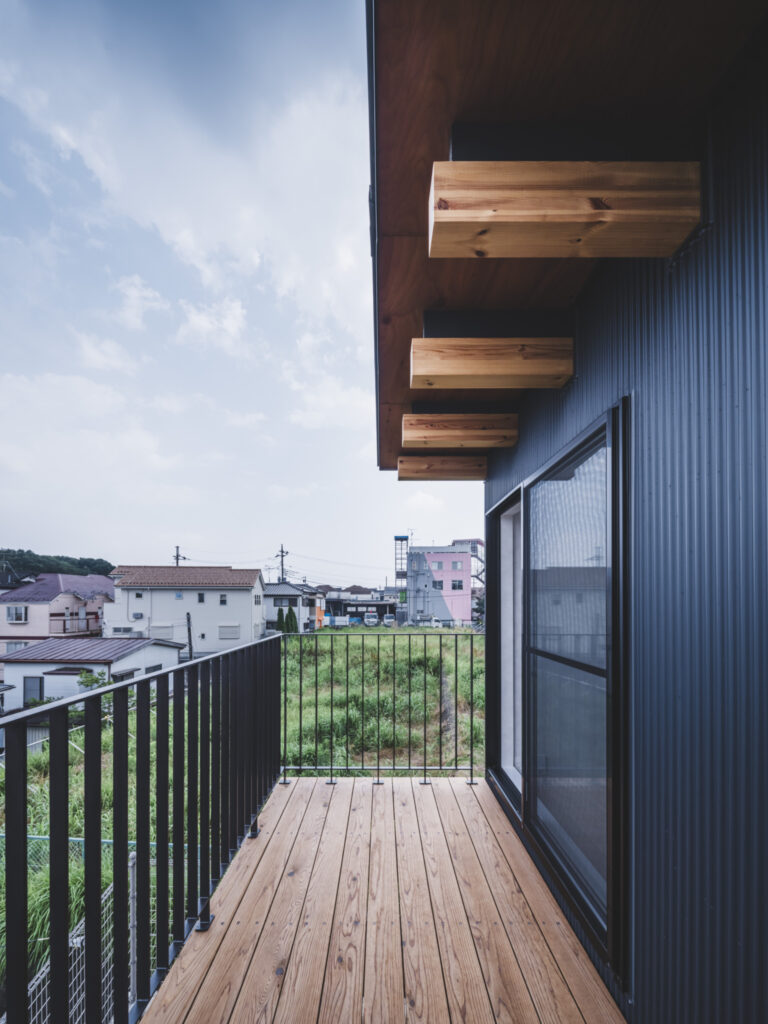
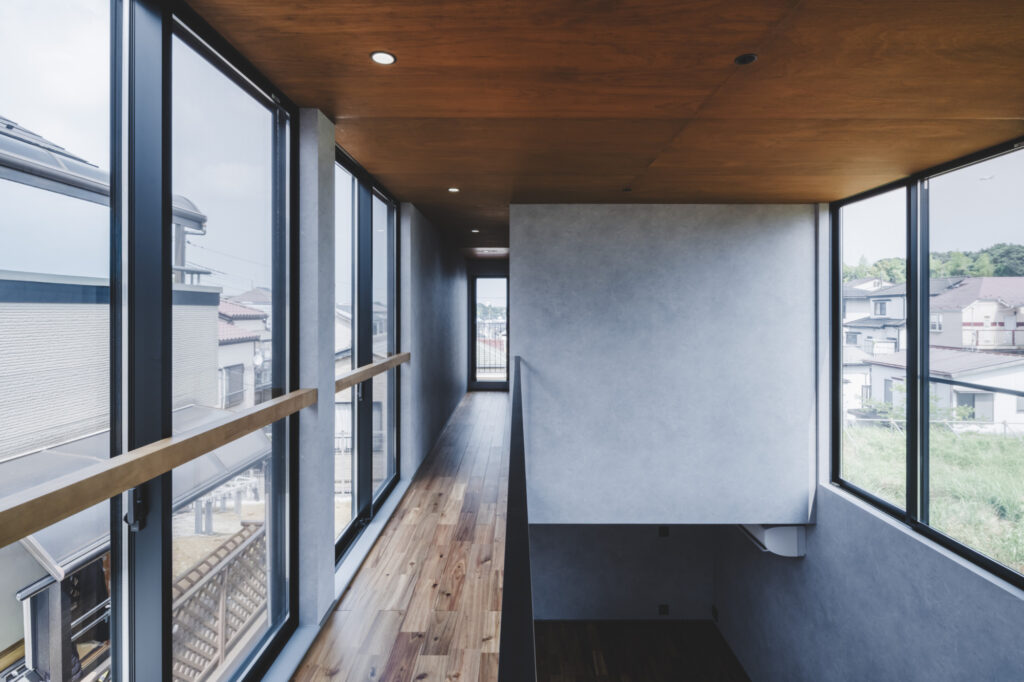
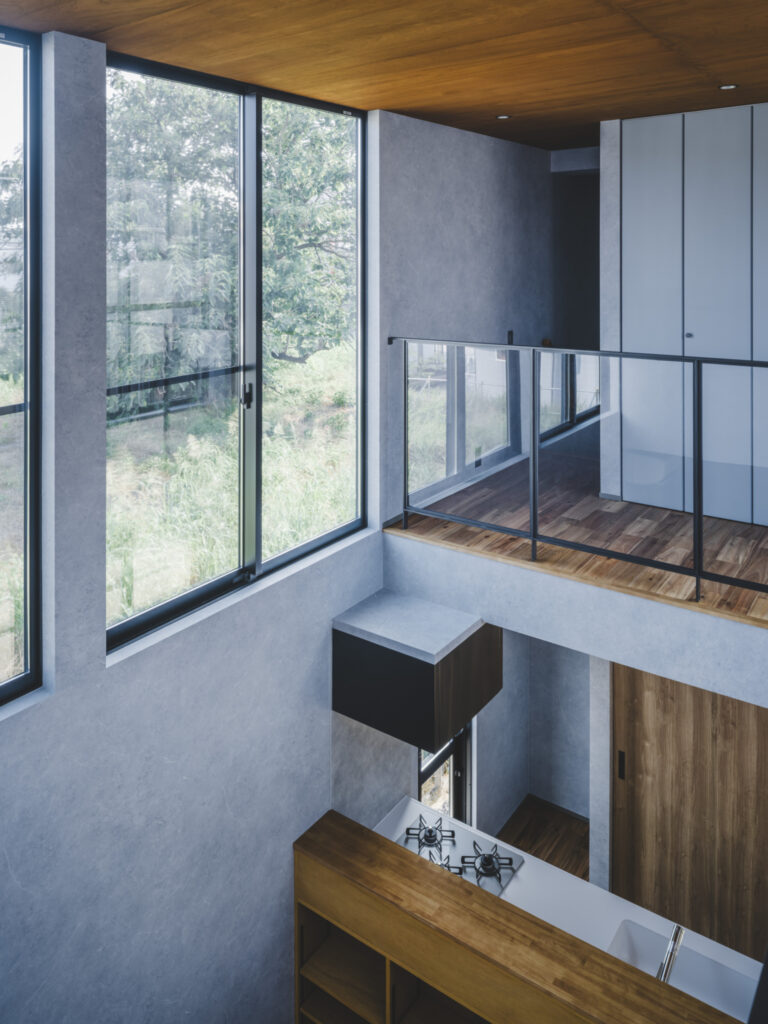
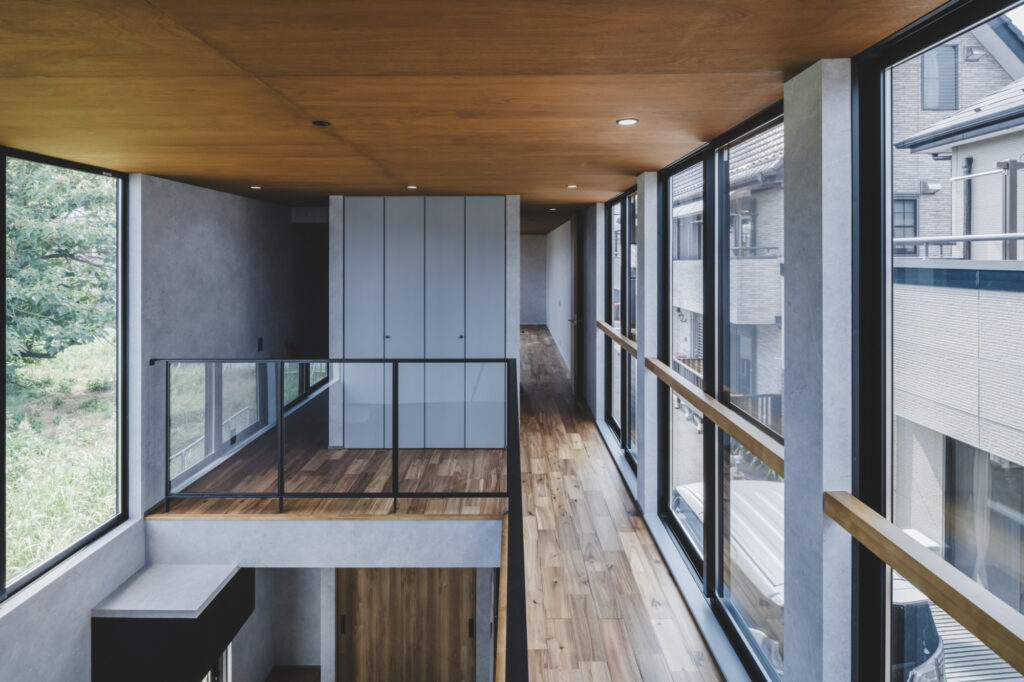
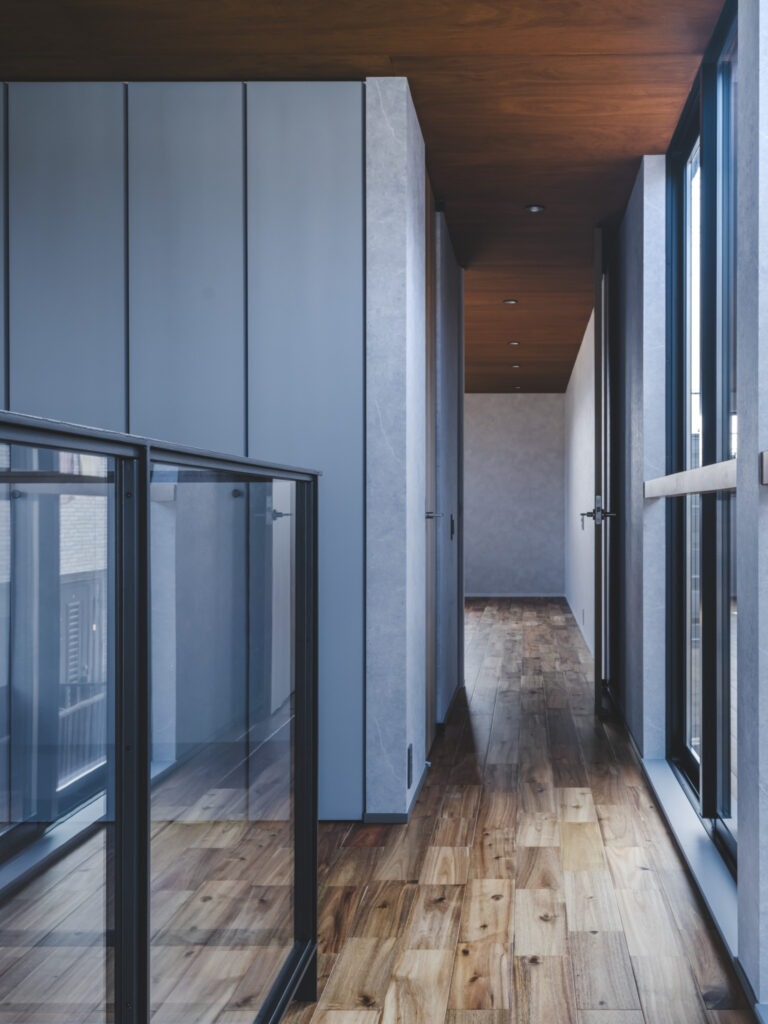
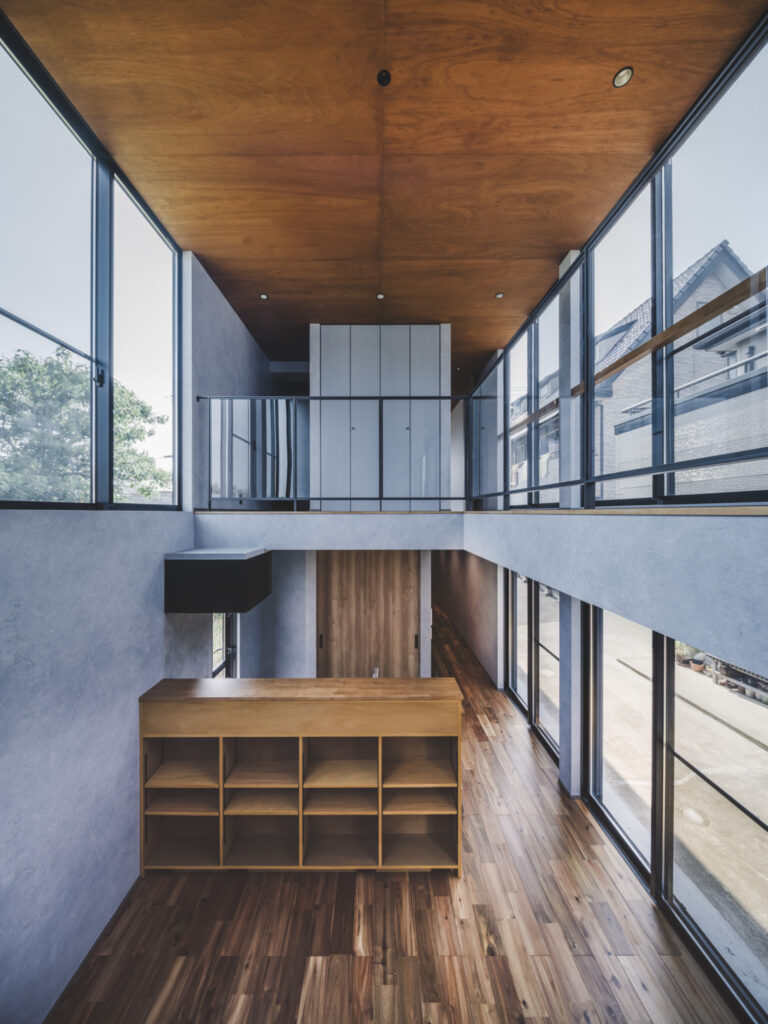
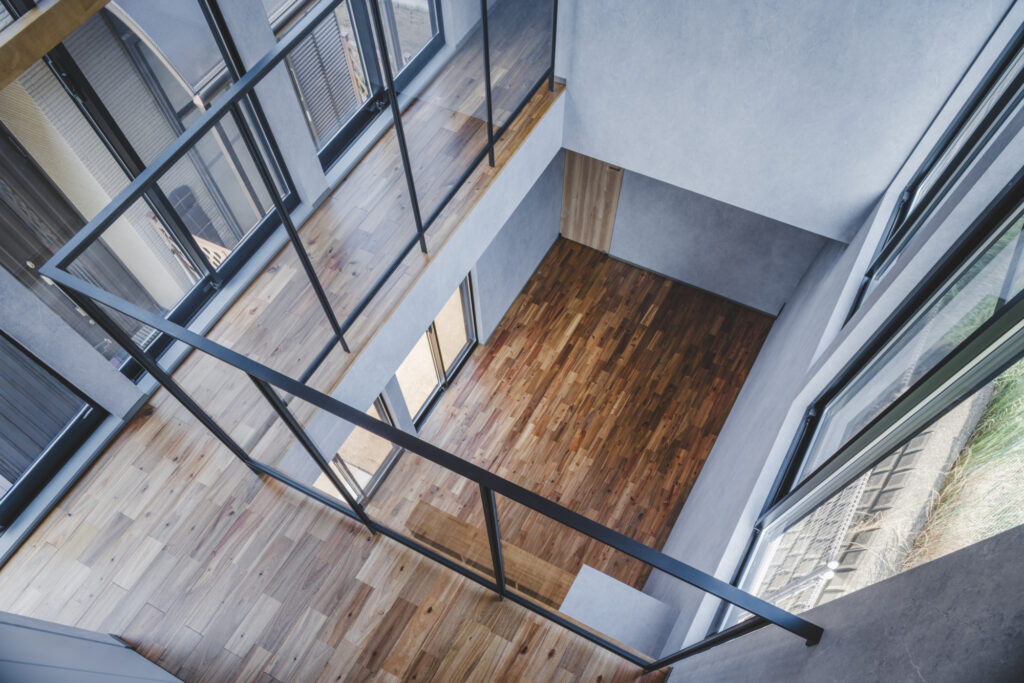
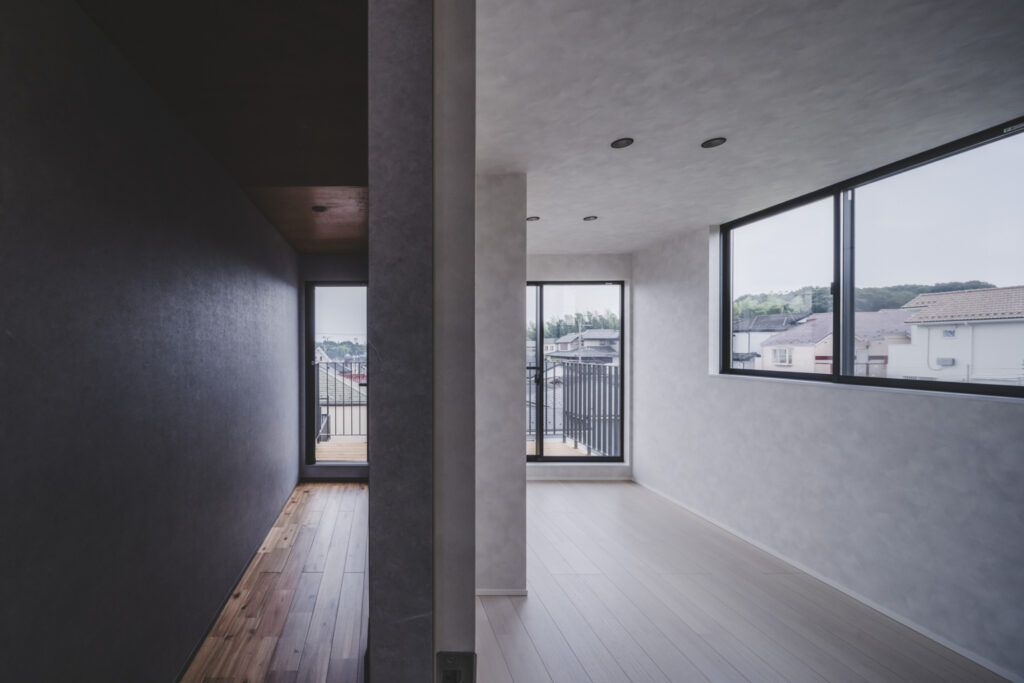
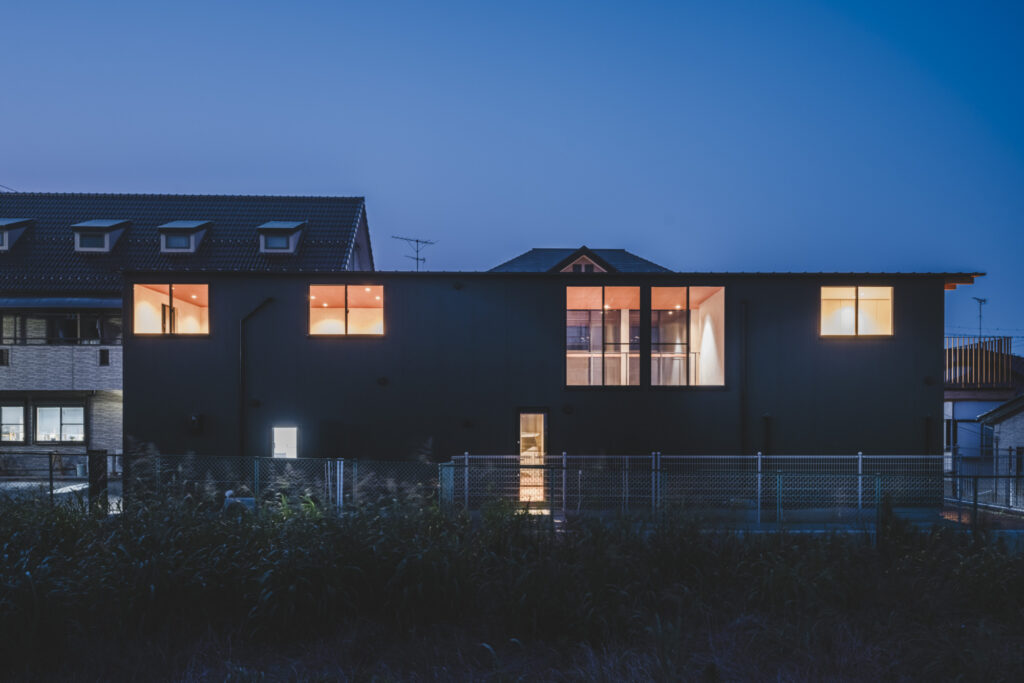
この建築は集団規定が厳しく、必要な諸室や面積が要望で厳しく決まっていて、ボリュームやプランをなるべくシンプルにする必要があった。そこで周辺の環境に応答するように諸室と開口部を設けた。具体的には実家に隣接する北側に動線空間を、南側に個室群をまとめた。実家に面する部分には掃き出し窓を設け縁側のように設え、崖上から街を一望できる東側にはテラスとベランダを、南側はしばらく環境が変わらなそうなのでふんだんに開口部を設けた。建物中心部には個室同士、実家とはなれ、その向こうの国有地をつなぎ、建物を南北・上下に貫く大きな余白を設けた。増えた家族のための住宅として、3世代をつなぐハブとして、多世代の関係性と周辺環境の応答でこの建築はつくられている。
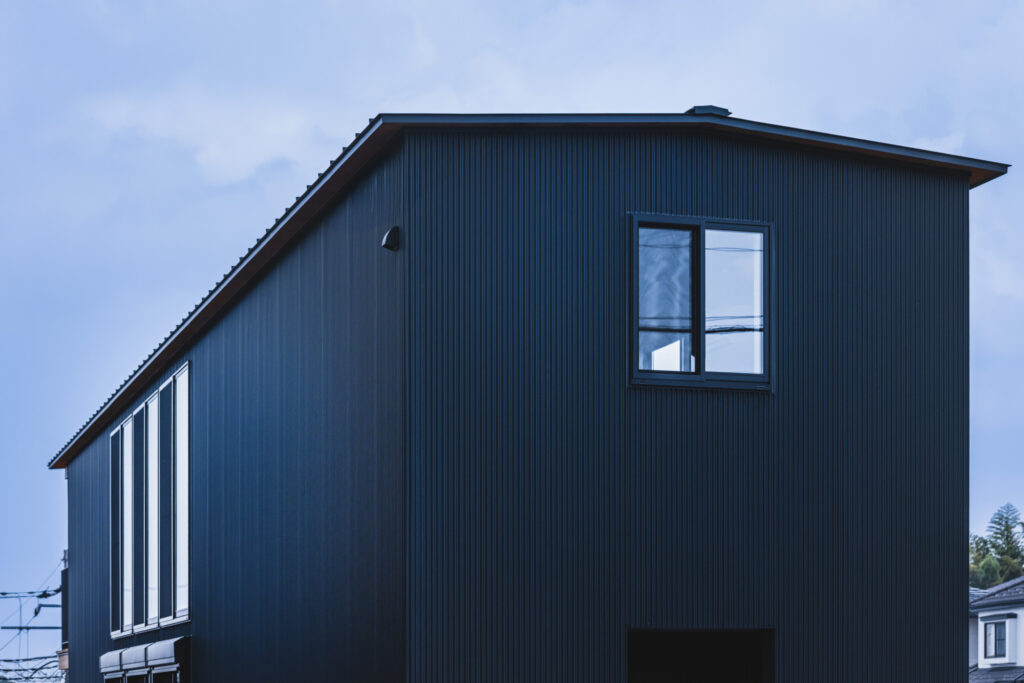
この建築を設計するための制限は、環境に応答して建築を開く手掛かりになっている。外部の環境との関係性から導かれたこの建築では、極端に華美な建築ではなく、実家のはなれとして、どこかありきたりで周囲に馴染みながらも少しだけ新しいそんな佇まいを目指している。
The House Apart
The client decided to build a new home for their family on a corner of the property where their parents’ house stands. The site is a former private road, measuring 4 meters wide and 35 meters deep. To the north of the site is the client’s parents’ house, to the south lies a large vacant lot owned by the government, and to the east is a cliff with a 4-meter elevation difference.
The plan was to build the new house in close proximity to the parents’ house. Observing the frequent interactions between the client and their grandmother and mother, we thought that a spatial relationship resembling a “hanare”—a traditional detached dwelling—would be suitable, offering a close but independent arrangement.
Strict zoning regulations and fixed requirements for room sizes and layout made it necessary to keep the building volume and plan as simple as possible. Therefore, we arranged the rooms and openings to respond to the surrounding environment. Specifically, we placed the circulation space along the north side adjacent to the parents’ house and grouped the private rooms on the south side. A sliding glass door facing the parents’ house creates a veranda-like space, while a terrace and balcony on the eastern side offer panoramic views of the town from atop the cliff. Since the southern environment is unlikely to change, we maximized the number of openings on that side.
At the center of the house, we created a large open space that connects the private rooms, the hanare, the main house, and the government-owned land beyond. This void runs vertically and longitudinally through the structure, serving as both a physical and symbolic connector. This house functions not only as a residence for the growing family but also as a hub connecting three generations. Its design is shaped by the intergenerational relationships and its dialogue with the surrounding environment.
The constraints imposed on this project became the clues that allowed the architecture to open itself to its surroundings. Rather than being overly ornate, this building aspires to be a modest, familiar presence—just slightly new—harmonizing with its environment while serving as a hanare to the main house.